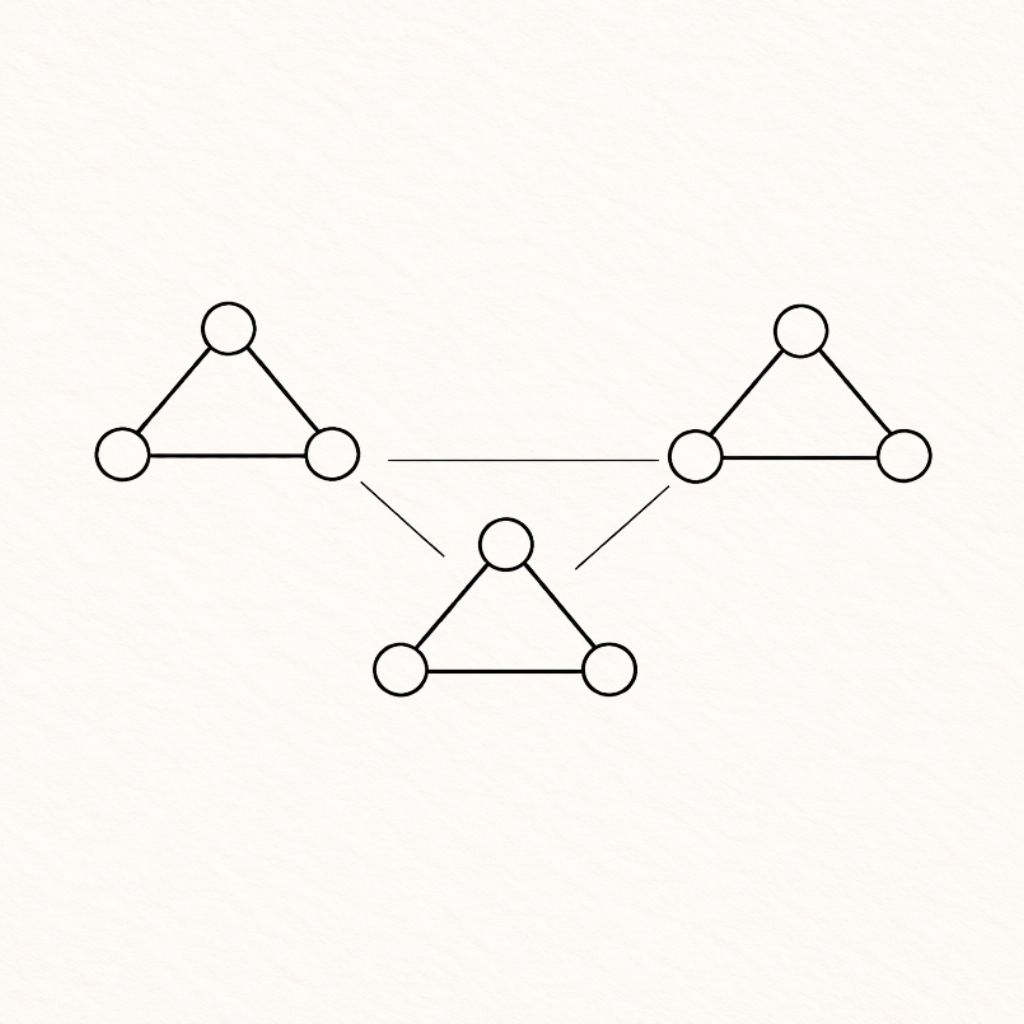
When Cooperation Should Be Parallel

How to Cooperate Without Losing Control - When Cooperation Should Be Parallel
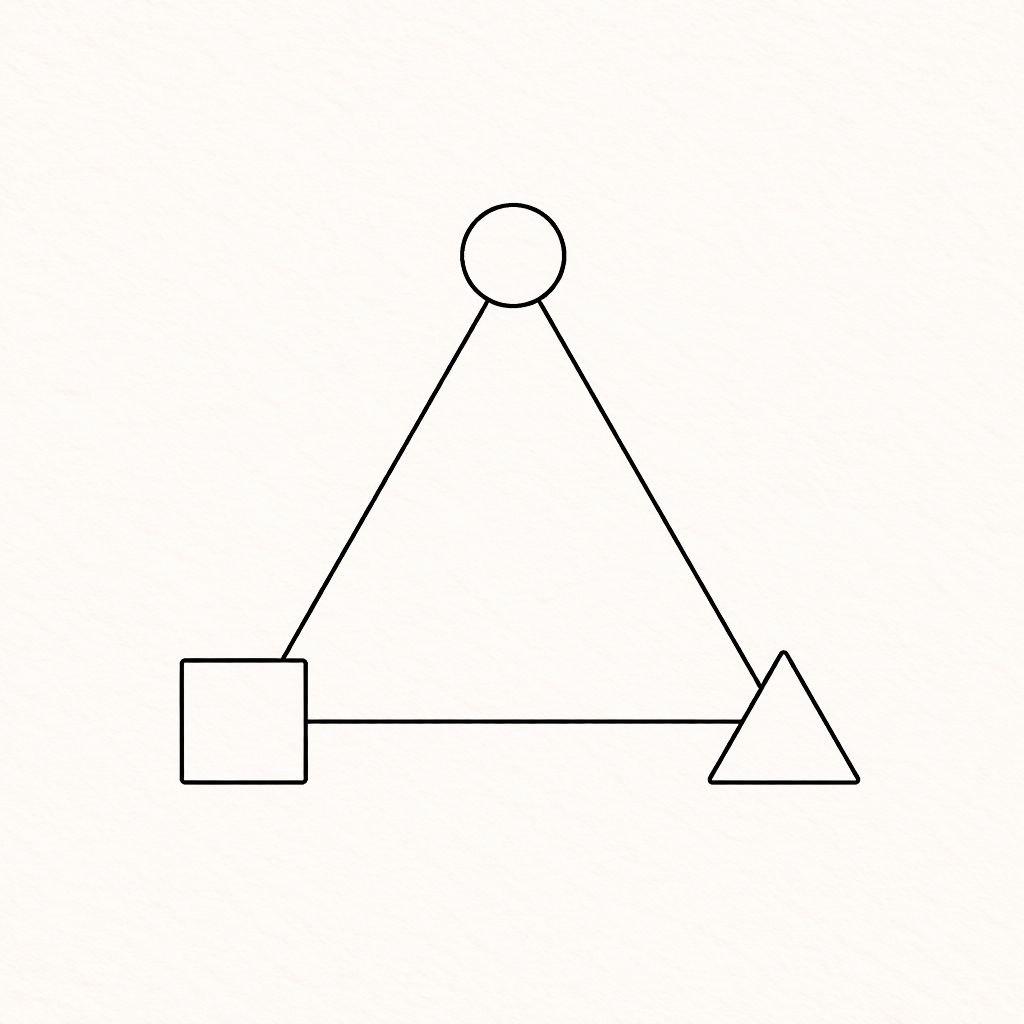
When Not to Merge
Not all cooperation should happen inside one organisation.
Sometimes the most aligned move is not to integrate, but to stay separate.
This is not a failure of cooperation.
It is a strategic choice.
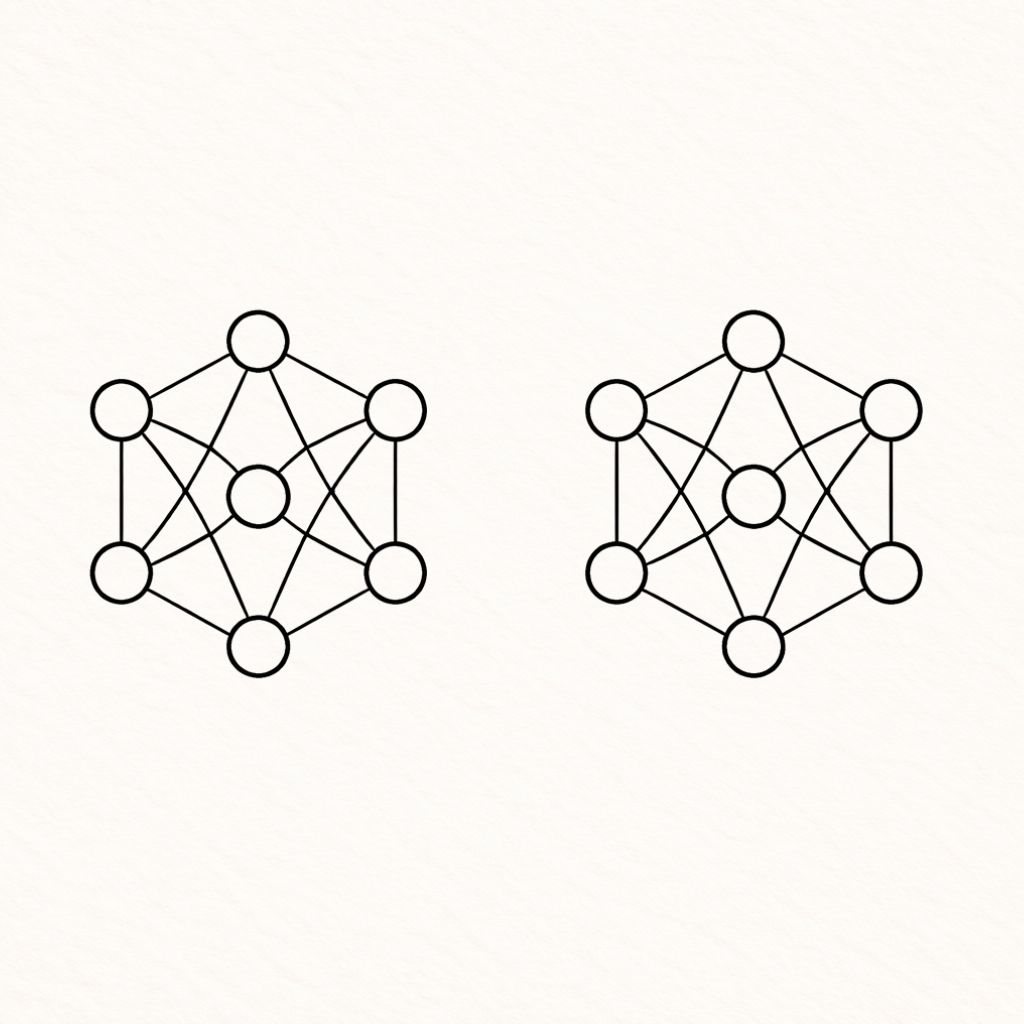
The Pressure to Merge
People often assume cooperation means:
- Joining the same organisation
- Sharing governance immediately
- Pooling everything into one structure
This pressure usually comes from values, not strategy.
Why Forced Integration Creates Problems
When different functions are merged too early:
- Decision-making slows
- Conflicts multiply
- Responsibility becomes unclear
What looked like unity becomes friction.
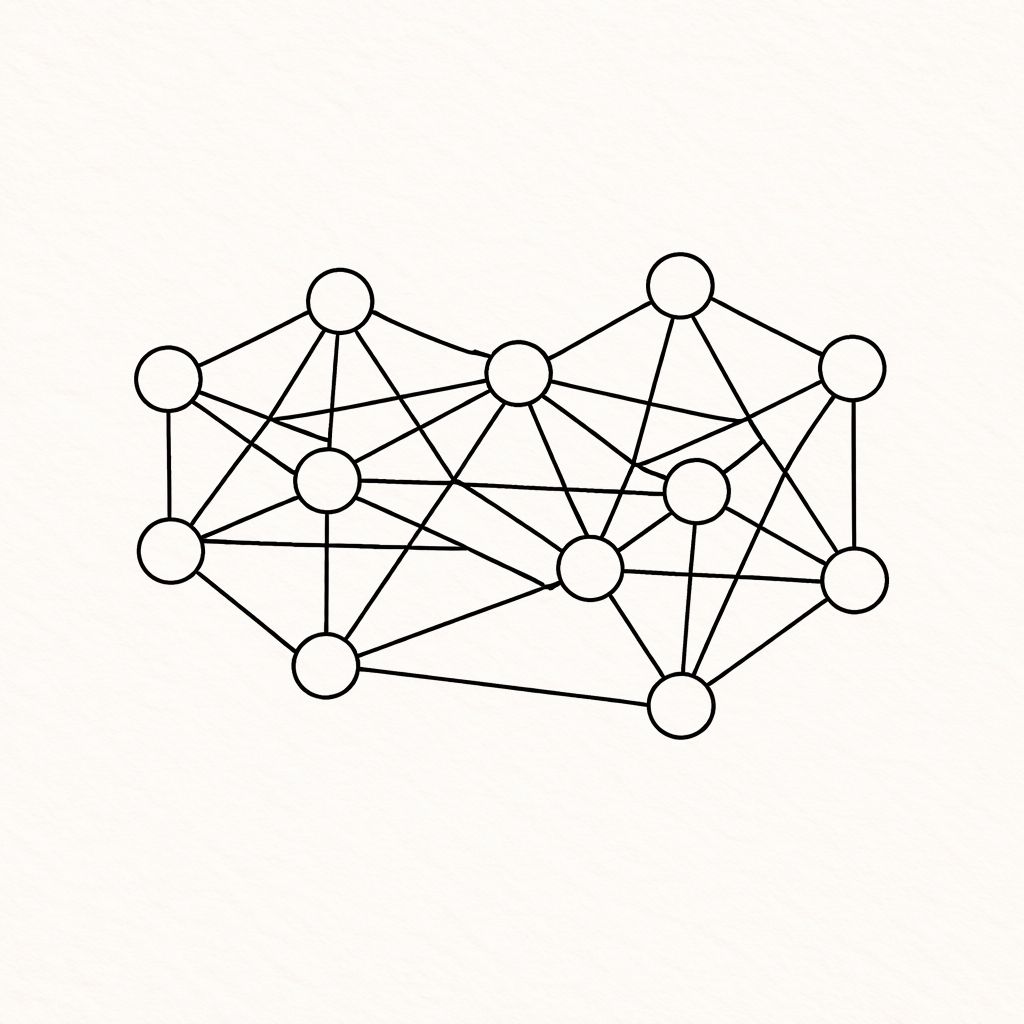
Parallel Cooperation Defined
Parallel cooperation means:
- Independent entities
- Clear boundaries
- Intentional alignment
Each group controls its own domain while working toward shared outcomes.
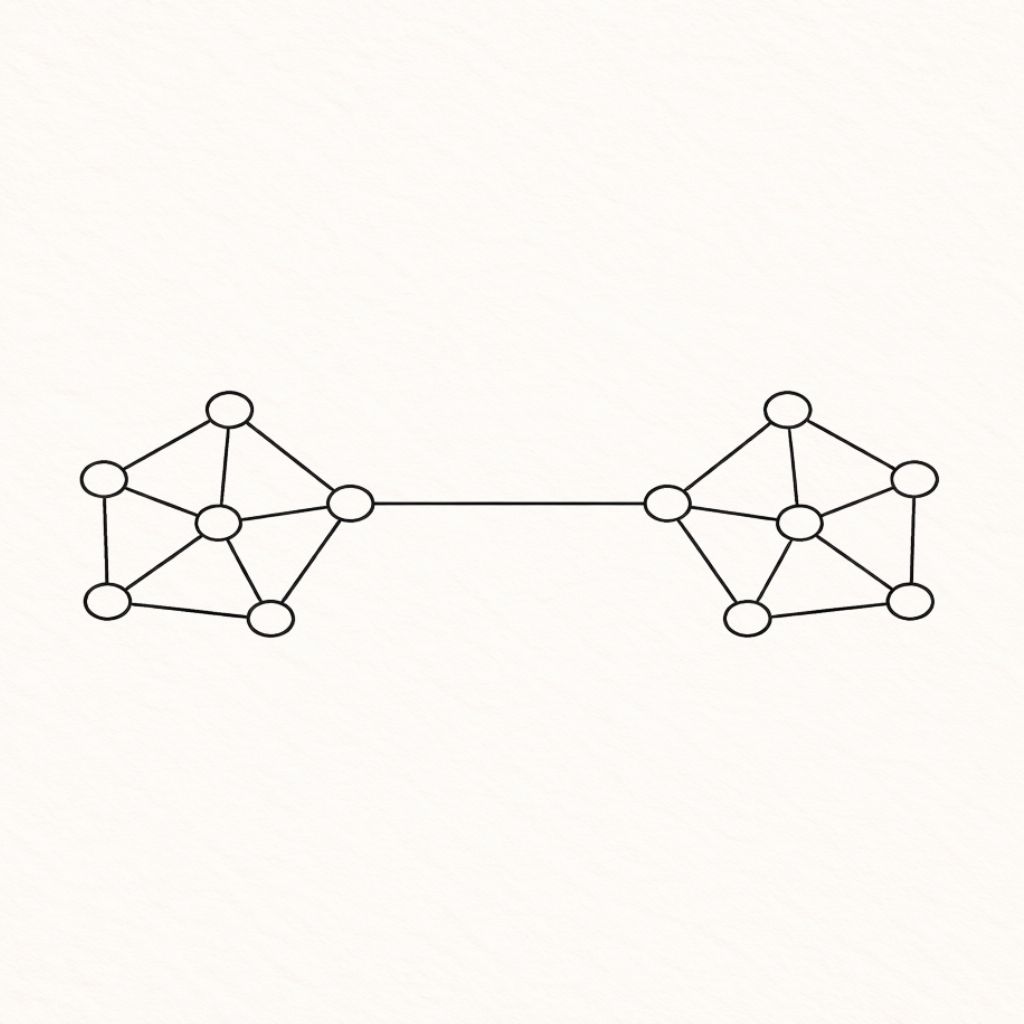
Autonomy Is Not Isolation
Working in parallel does not mean working alone.
It means cooperation happens between organisations, not inside everything at once.
This preserves clarity while enabling collaboration.
Different Domains, Different Logics
Creative work, logistics, finance, education, and operations do not all function the same way.
Forcing them under one governance model often creates unnecessary tension.
Parallel structures respect these differences.
A Real-World Pattern
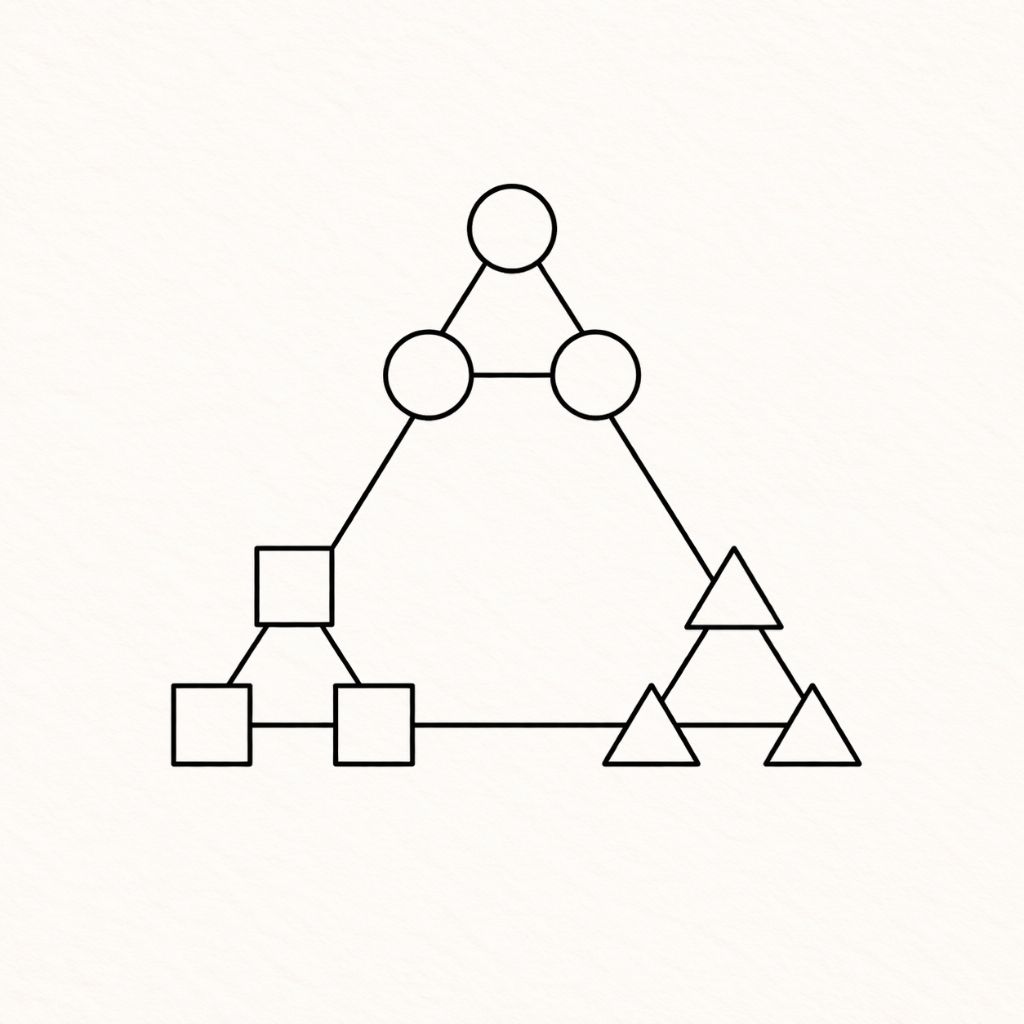
Many successful cooperative ecosystems did not start as one organisation.
They grew through multiple aligned entities, each solving a specific problem.
Coordination came later, not first.
BioFoods and SOFA
BioFoods did not absorb the farmer co-op SOFA.
They helped create it, supported it, and worked alongside it.
Each retained autonomy.
The relationship was intentional, not controlling.

Why This Matters
SOFA could govern itself.
BioFoods could protect its own viability.
Neither had to surrender control for cooperation to exist.
Parallel Does Not Mean Equal Power
Parallel cooperation does not require identical influence or scale.
It requires:
- Clear agreements
- Mutual benefit
- Respect for boundaries
Power is contextual, not flattened.
When Parallel Cooperation Is Healthier
Parallel cooperation is often better when:
- Roles are specialised
- Risk levels differ
- Timelines are uneven
Merging too soon would distort priorities.
The Hidden Benefit
Parallel structures make growth easier.
New collaborators can form their own entities instead of being absorbed.
This creates pathways, not bottlenecks.
Avoiding the “Everything Committee”
When everything sits inside one organisation:
Every decision becomes political
Every change requires consensus
Parallel structures reduce unnecessary governance load.

Trust Without Entanglement
Parallel cooperation allows trust to build without forcing dependency.
If collaboration ends, neither side collapses.
This actually makes cooperation safer.
Designing for Separation
Good cooperation plans for separation from the beginning.
Clear exits are not pessimism.
They are respect.
Why This Protects Relationships
Many partnerships fail because boundaries were never defined.
Parallel cooperation protects relationships by preventing silent resentment.
This Is Not a Permanent State
Parallel cooperation is often a phase.
Over time, deeper integration may make sense.
But only after alignment is proven in practice.
What This Enables Later
Parallel structures make federation possible.
They allow coordination without erasing independence.
This is how cooperative ecosystems scale.
Preparing for Federation
Once multiple entities exist:
- Shared standards
- Shared funds
- Shared strategy
can emerge without forced mergers.