
Keeping Options Open

What This Section Covers
This section looks at what becomes possible once cooperation is designed to protect what people have already built.
A Common Fear
People who initiate projects often worry about the same things:
- Losing control
- Losing income
- Losing what they created
These are not selfish concerns.
They are structural ones.

Why These Fears Exist
Many cooperative projects fail their initiators because:
- Ownership was shared too early
- Governance was flattened prematurely
- Growth diluted responsibility
The issue is not cooperation.
It is sequencing.
What Careful Design Makes Possible
When early cooperation protects autonomy:
- Initiators remain secure
- Contributors are not trapped
- Growth does not erase authorship
This changes what can happen later.

Federation Becomes Viable
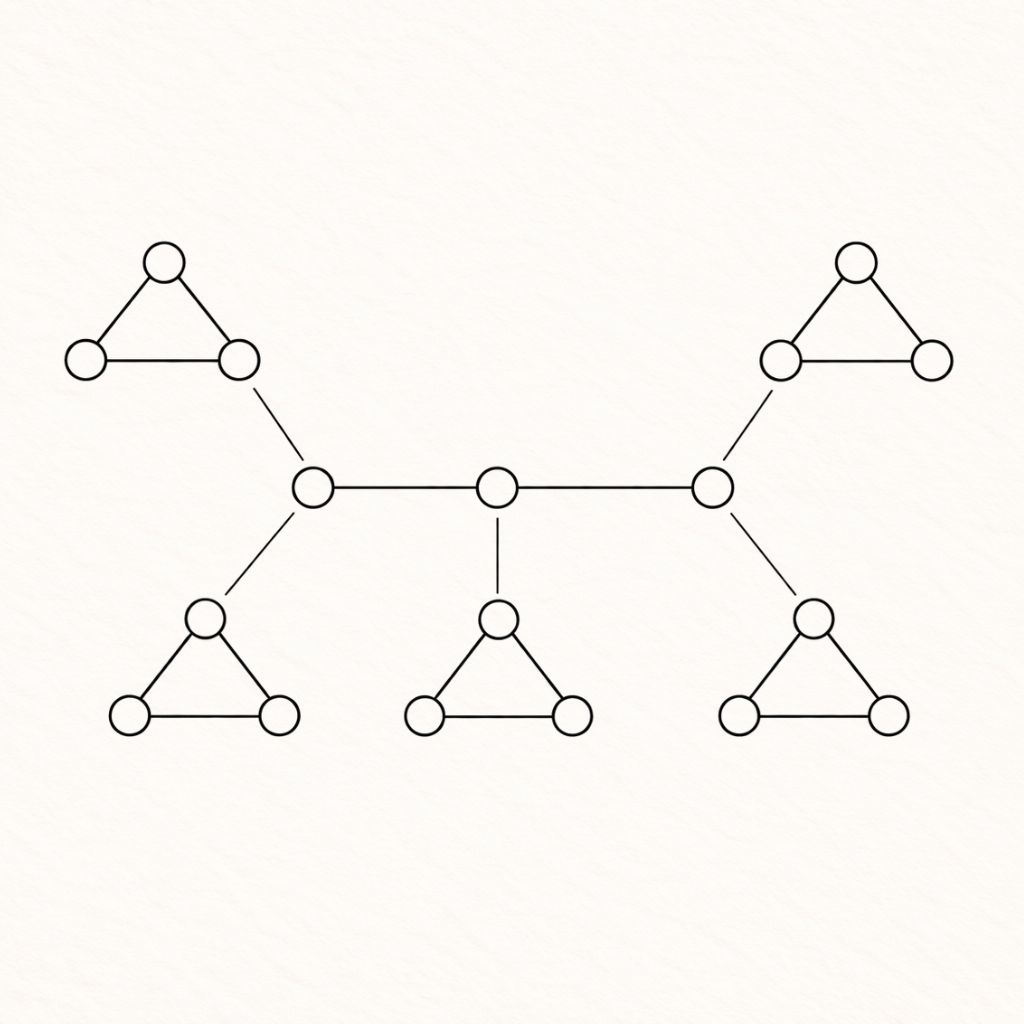
Independent projects can later coordinate:
- Without merging
- Without surrendering control
- Without rewriting their foundations
Federation becomes a choice, not a risk.
Why This Matters
Federation allows shared services, funding, and standards without absorbing organisations into one structure.
What was built remains intact.
Confederation Becomes Possible
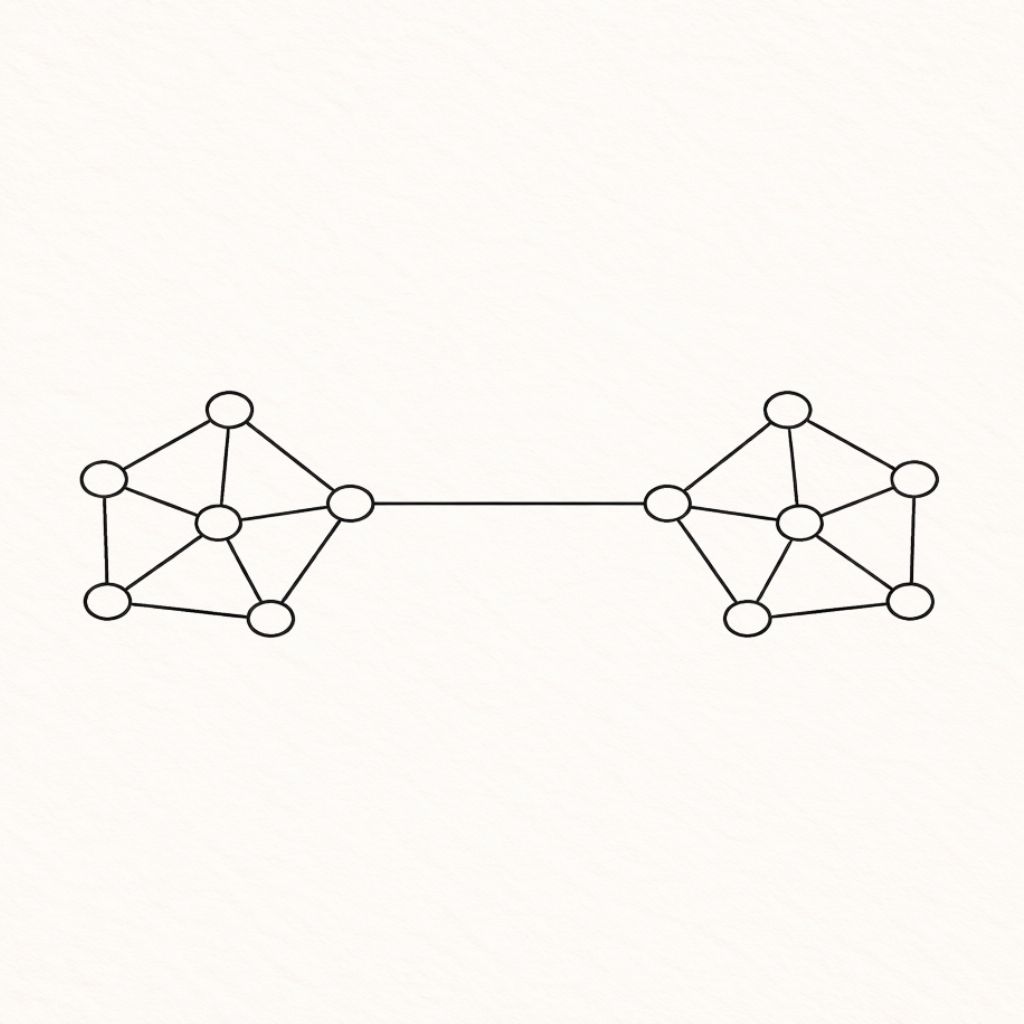
When multiple autonomous entities exist, confederation can emerge.
This enables coordination at scale without central ownership or control.
No One Has to Be Voted Out
In confederated systems:
Initiators are not removed by majority votes because they are not dissolved into a single body. Authority stays contextual.
Mondragon-Style Seeding
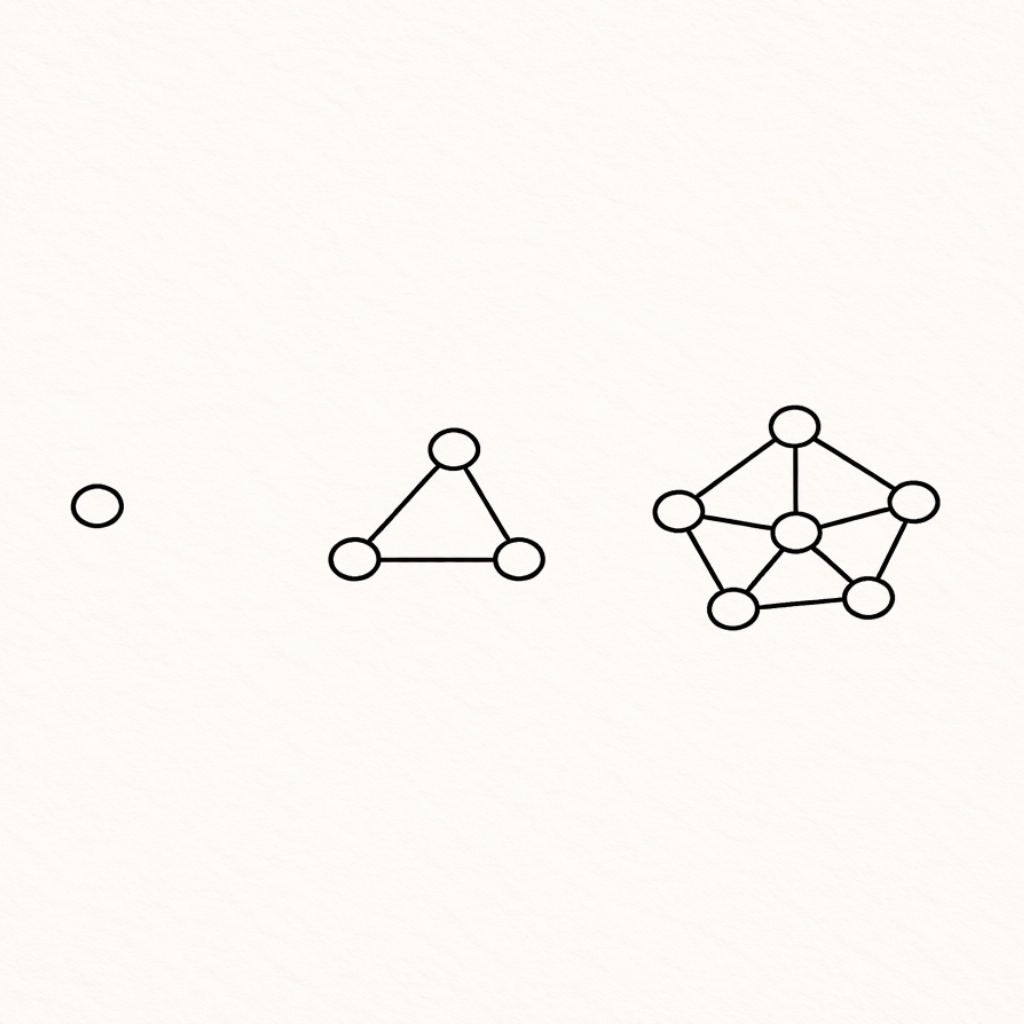
In mature cooperative systems, new enterprises are seeded without absorbing existing ones.
Support replaces takeover. Alignment replaces capture.
Why This Protects Intellectual Work
Brands, platforms, reputation, and creative labour do not have to be surrendered to cooperate.
They can sit within protected entities while still serving a wider ecosystem.
Income Can Be Designed, Not Hoped For
Careful structures allow:
- Salaries
- Surpluses
- Long-term security
without relying on goodwill or personal sacrifice.
Growth Without Dilution
When cooperation is parallel first:
Growth strengthens the ecosystem instead of weakening the original project.
No one has to disappear for others to benefit.

Why This Changes Incentives
People contribute because it improves their chances of success, not because they are promised symbolic ownership.
This keeps participation grounded.
Security Enables Generosity
When initiators are protected:
- They share more, not less
- They cooperate more confidently
- They plan further ahead
Security makes cooperation easier.
This Is Not Anti-Democratic
Democracy still matters.
It simply arrives when there is something stable to govern.
A Different Ending Is Possible
Cooperation does not have to end in conflict, capture, or burnout.
Other paths exist.
They have already been walked.
What This Pathway Has Shown
- You can cooperate
- without losing control
- without rushing ownership
- without undermining what you’ve built.

Pathway Complete
You’ve reached the end of the How to Cooperate Without Losing Control pathway.
You now have a clearer understanding of why fear of losing control is rational, how cooperation can fail when structure is rushed, and how sequencing, roles, and design protect both relationships and long-term viability.
What comes next depends on what you are building, how much responsibility you are ready to share, and which forms of cooperation make sense at your current stage.