
Ownership Is Not the First Question

How to Cooperate Without Losing Control - Ownership Is Not the First Question
The Common Assumption
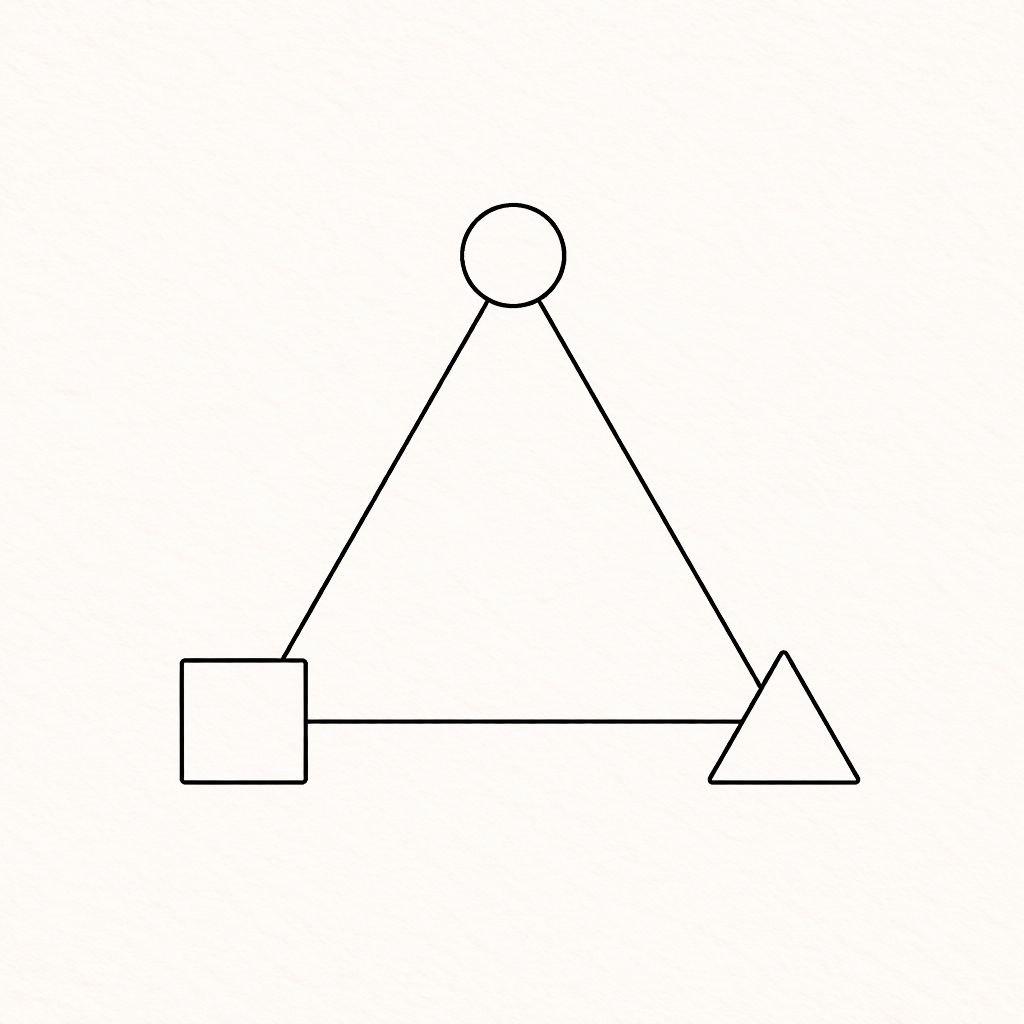
When people talk about cooperation, the conversation often jumps straight to ownership.
Who owns what
Who gets a vote
Who becomes a member
This is usually the wrong place to start.

Why Ownership Gets Overloaded
Ownership is often treated as a proxy for:
- Trust
- Fairness
- Commitment
- Belonging
When these needs are unclear, ownership becomes emotionally charged.
The Resulting Pressure
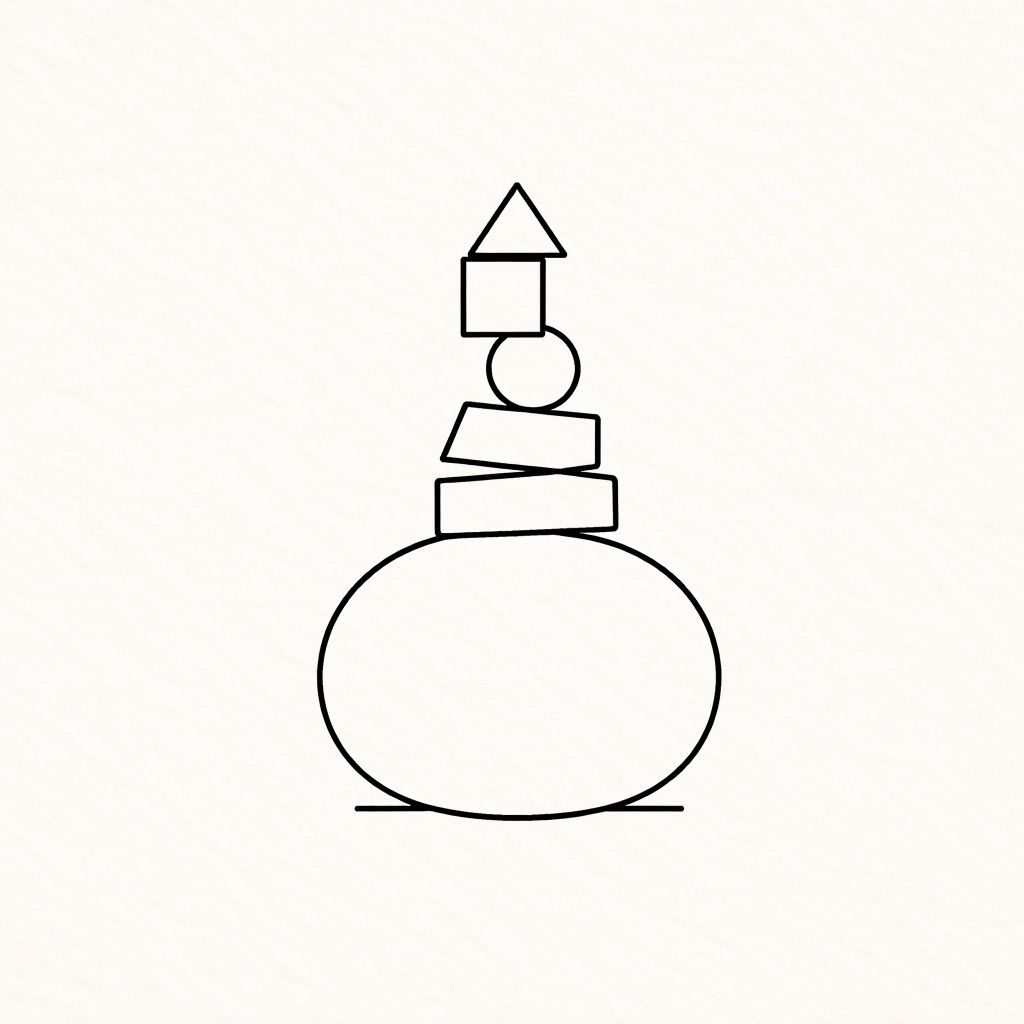
People feel pushed to “do the right thing” quickly.
- Share ownership early
- Formalise before clarity exists
- Turn collaboration into membership
This pressure is often driven by guilt rather than design.

Cooperation Is Not a Confession
Cooperation does not require proving moral alignment.
It requires clarity about purpose, responsibility, and structure.
Making ownership decisions too early often creates confusion rather than solidarity.
What Ownership Actually Does
Ownership defines:
- Who carries long-term risk
- Who is responsible for continuity
- Who has authority over core decisions
It is a structural tool, not a moral reward.

Why Timing Matters
Ownership decisions are difficult to reverse.
Once granted, they shape incentives, expectations, and power dynamics.
Rushing this step often locks in problems rather than solving them.
Start With the Real Questions
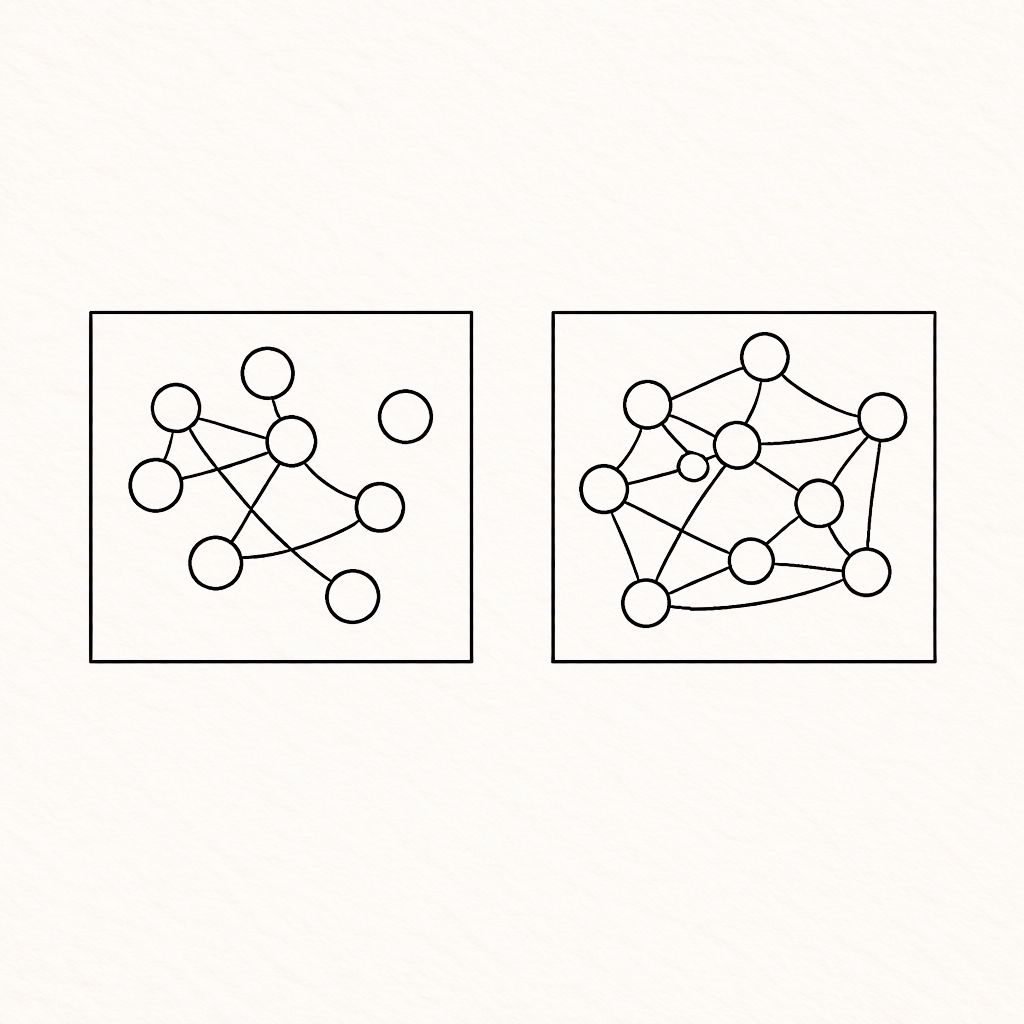
Before ownership, clearer questions need answering:
- What is being built
- What must be protected
- What must remain flexible
These questions come first.
Purpose Before Structure
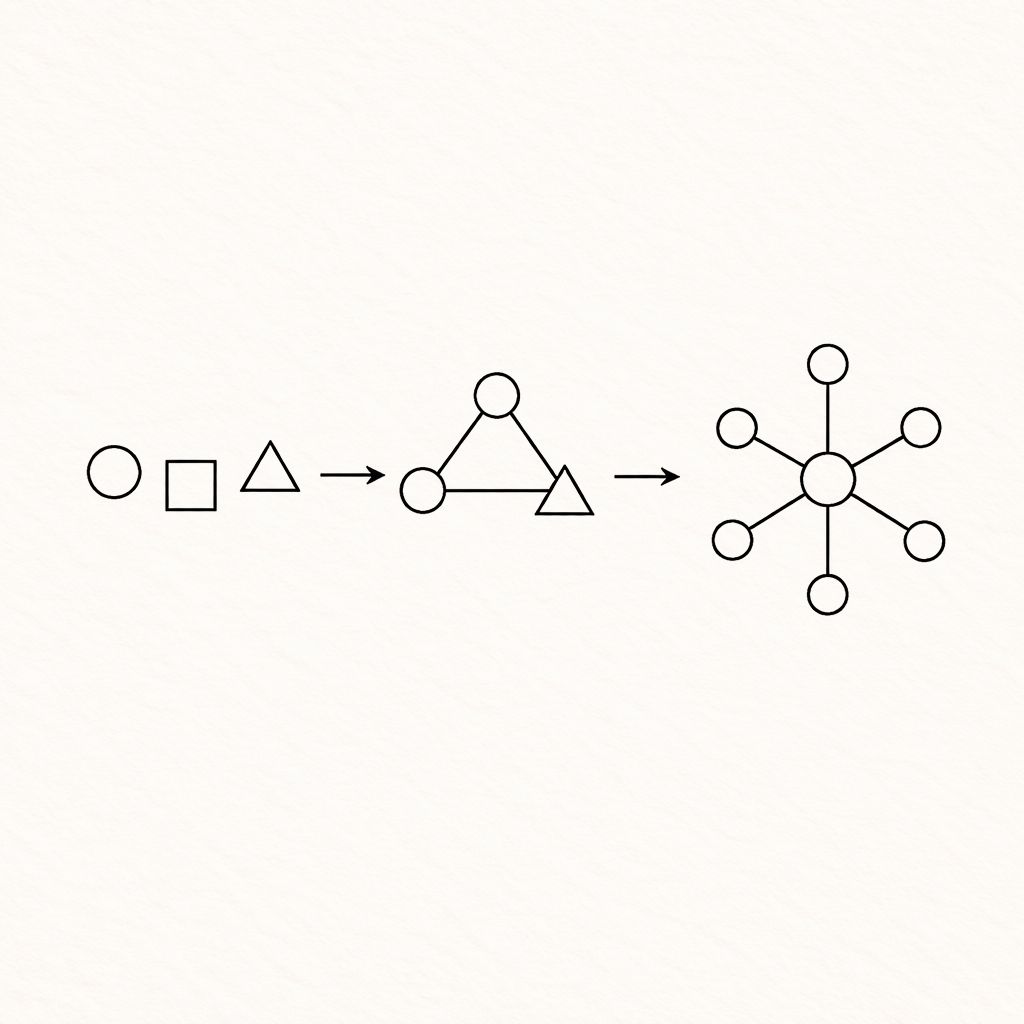
Different purposes require different structures.
- Early exploration
- Ongoing delivery
- Shared infrastructure
- Essential services
Ownership looks different in each case.
Risk Before Rights
A more useful question than “Who owns this?” is:
Who is carrying the risk if this fails?
Ownership should follow risk, not precede it.

Responsibility Before Membership
Another overlooked question:
Who is responsible for outcomes over time?
Membership without responsibility weakens cooperation rather than strengthening it.
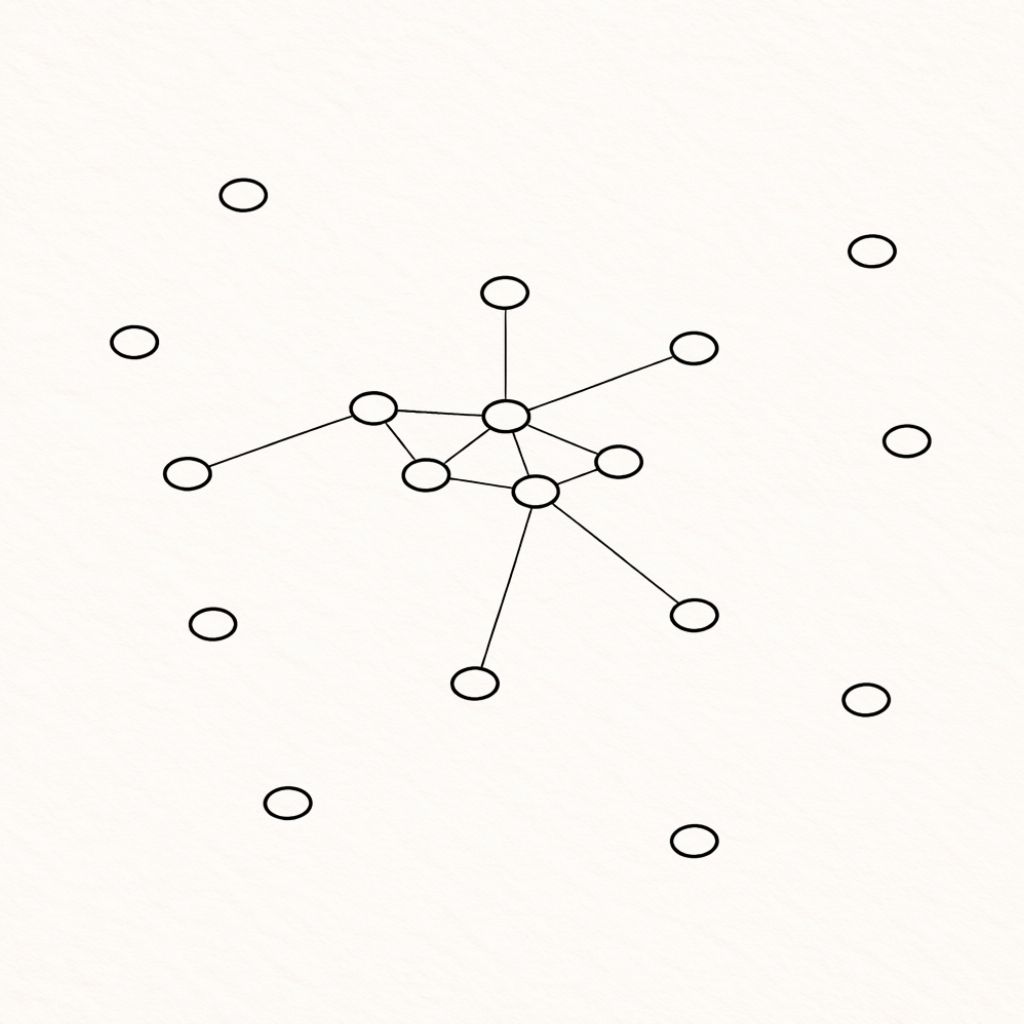
Why “Just Make It a Co-op” Often Fails
Formally adopting cooperative ownership does not automatically solve:
- Unclear roles
- Unbalanced workloads
- Hidden dependencies
Structure cannot compensate for unresolved design questions.
Values vs Guilt
Wanting to cooperate is not the same as being ready to share ownership.
Delaying ownership decisions can be a sign of care, not reluctance.
Equality Is Not Uniformity
Equal dignity does not require identical roles.
Cooperation works when differences in responsibility are acknowledged and structured.
Ownership as a Later Decision
In many cases, ownership becomes clearer after:
- Roles are defined
- Work patterns are understood
- Trust is demonstrated through contribution
Not before.
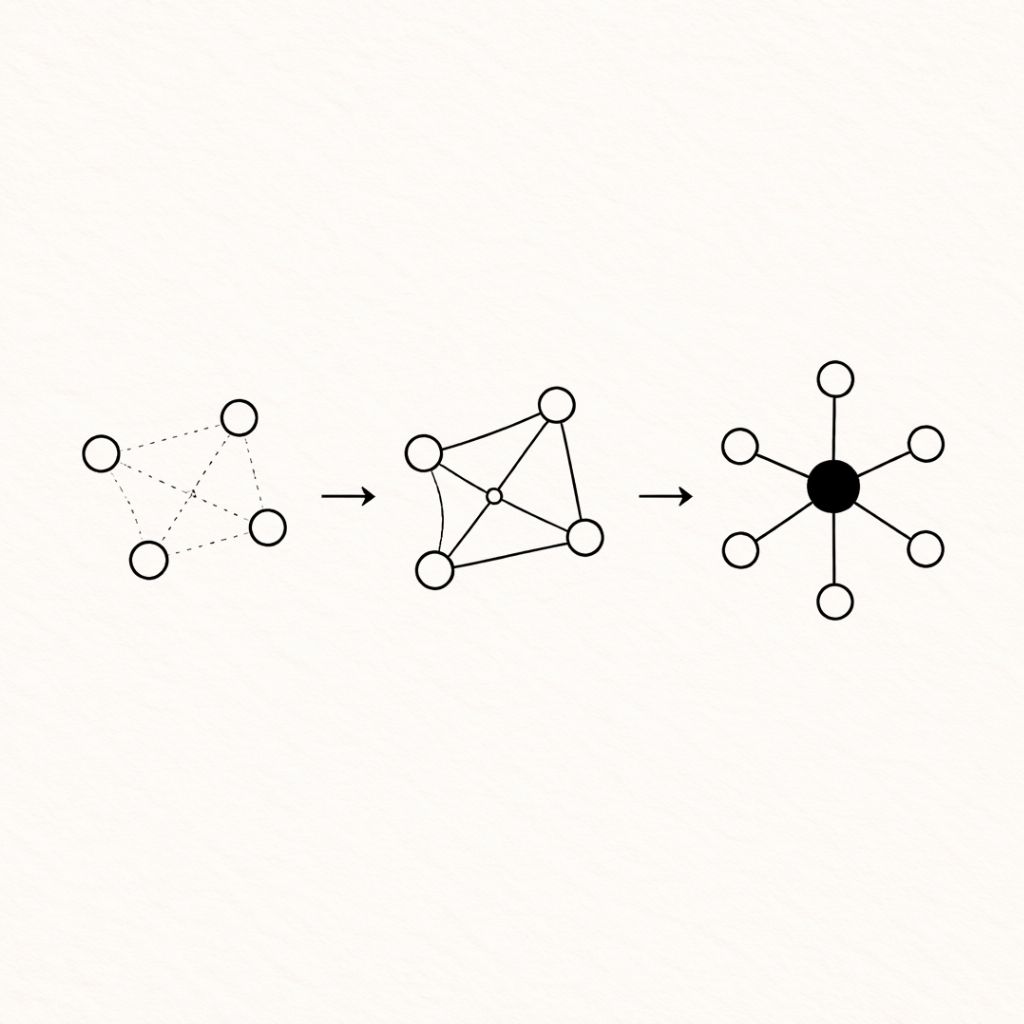
This Applies Across Models
These questions matter whether you are working in:
- Worker cooperatives
- Community-owned infrastructure
- Multi-stakeholder systems
- Collective or communal projects
Structure still matters.
What This Clarifies
Ownership is not the starting point of cooperation.
It is a later-stage decision that should reflect purpose, risk, and responsibility.
What This Makes Possible
By delaying ownership decisions:
- Cooperation becomes less pressured
- Roles become clearer
- Conflicts become easier to resolve
Preparing for the Next Section
Once ownership is no longer treated as the first move, a new question emerges:
How should roles be defined before rights are granted?