
From Teams to Enterprises

Why This Section Matters
Growth often begins with adding people to an existing organisation.
Over time, this concentrates responsibility, authority, and risk.
Mondragon identified this as a structural dead end.
The Limits of Team Expansion
When functions remain internal:
- decision-making slows
- initiative narrows
- authority concentrates
- founders carry growing risk
What looks efficient early becomes fragile at scale.
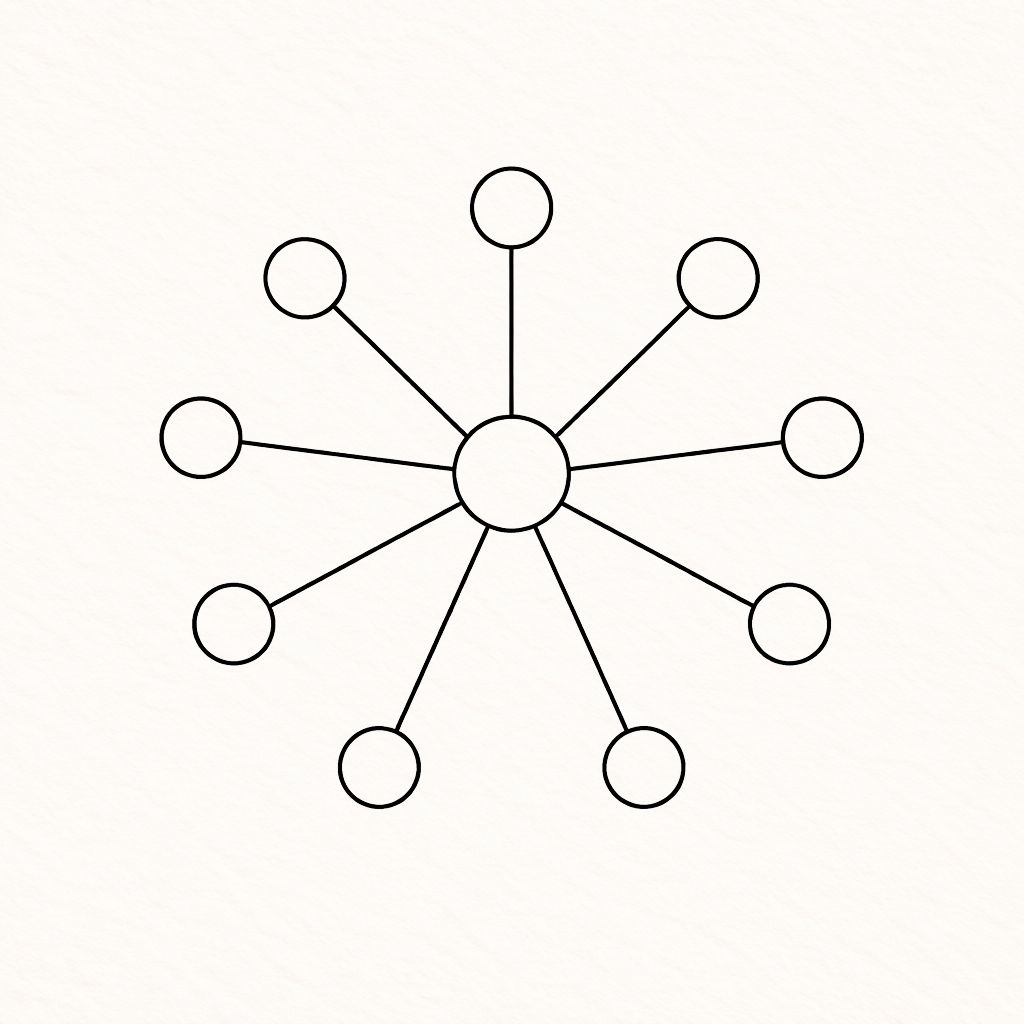
Departments Create Dependency
Departments depend on a central organisation for:
- budget approval
- strategic direction
- survival
This makes innovation conditional rather than generative.
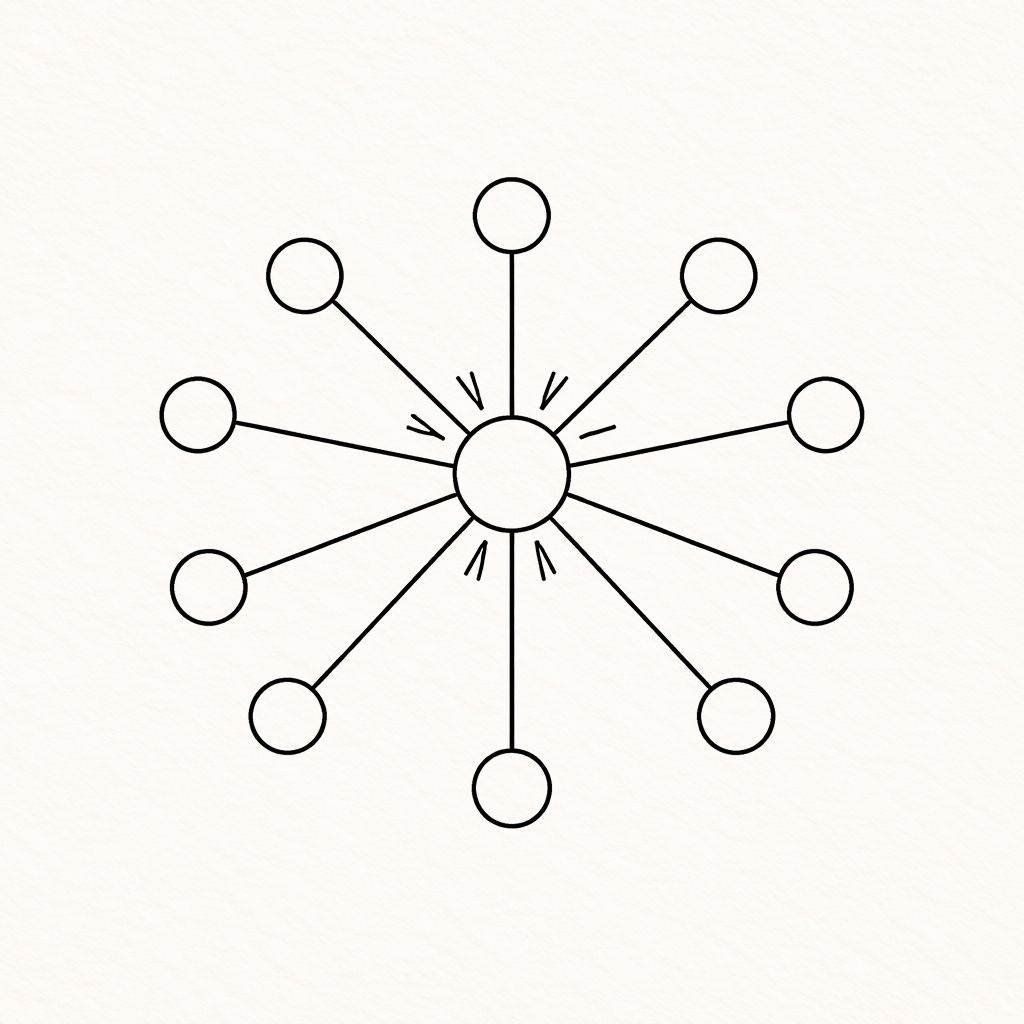
Mondragon’s Alternative
Instead of expanding departments, Mondragon asked a different question:
Should this function become its own enterprise?
This shifted growth outward, not upward.

From Function to Organisation
When a function became essential and stable:
- it was separated
- given its own governance
- supported, not absorbed
The result was a new cooperative, not a larger hierarchy.
Why This Protects Founders
Separating functions reduces founder exposure.
- Risk is distributed.
- Responsibility is localised.
- Control is not diluted inside one structure.
Founders are protected by boundaries, not authority.
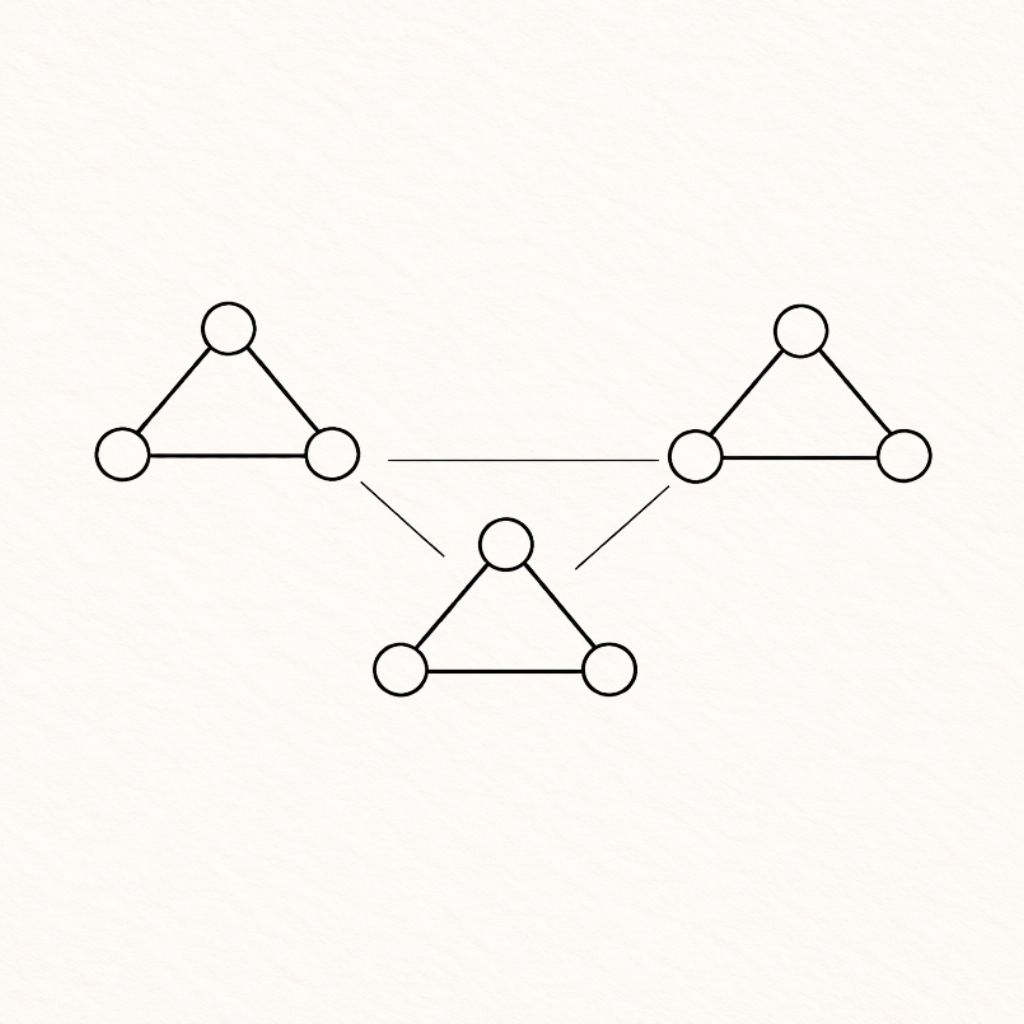
Why This Protects New Enterprises
New cooperatives begin with:
- clear purpose
- defined scope
- real responsibility
They are not trapped as internal units with limited autonomy.
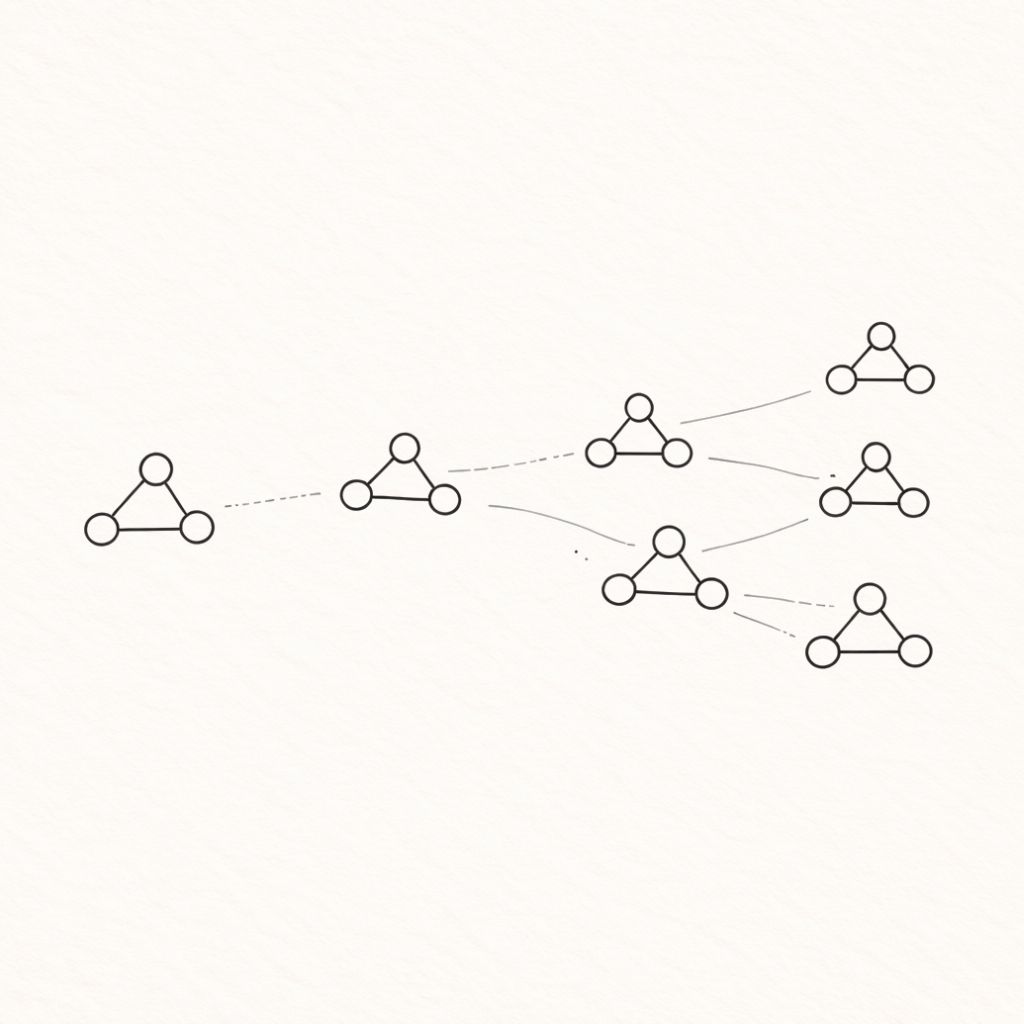
Growth Through Multiplication
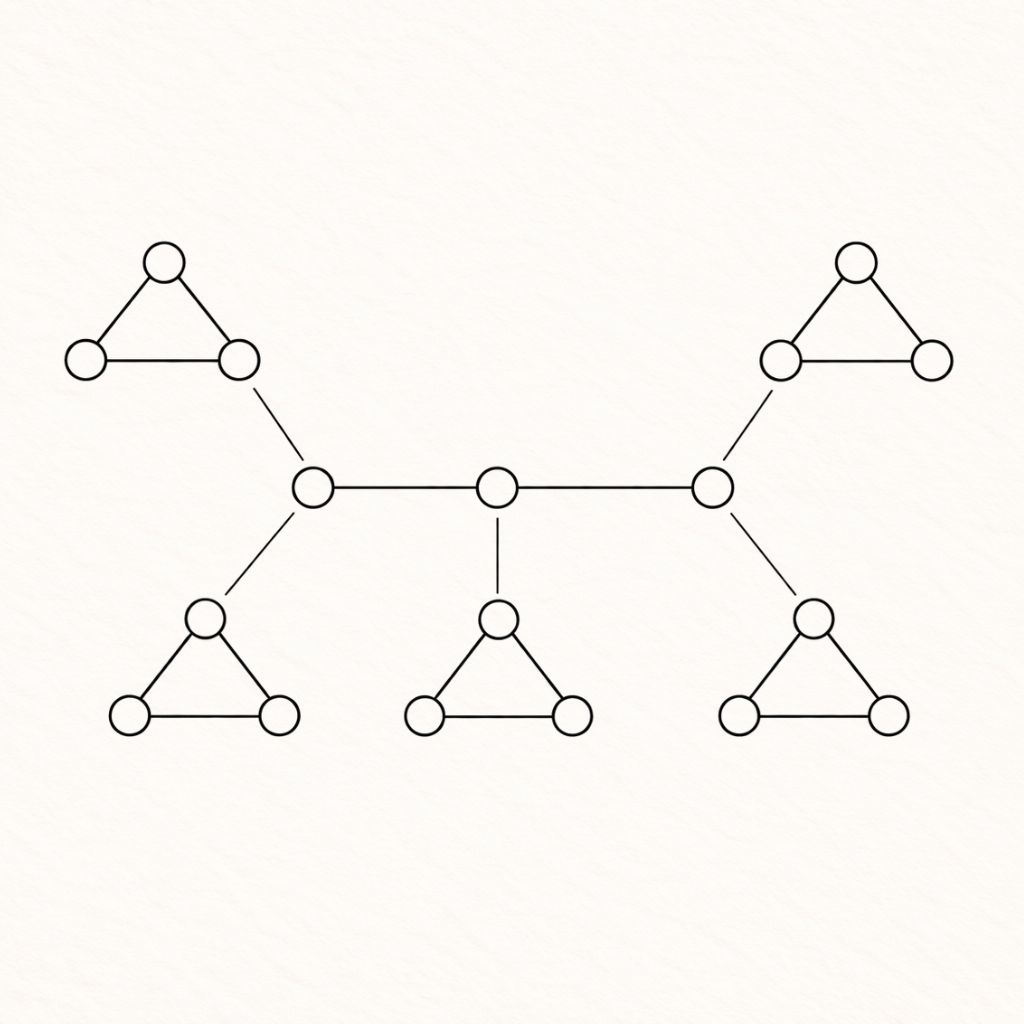
Mondragon grew by creating many small, resilient units.
Each enterprise could succeed or fail without threatening the whole.
This is resilience by design.
Enterprise Is Not Fragmentation
This approach did not isolate cooperatives.
They remained connected through:
- shared finance
- education
- research
- mutual support
Autonomy existed within coordination.
When Separation Makes Sense
A function may be ready to become an enterprise when:
- it has a stable role
- it requires specialised focus
- it carries its own risk
- it benefits from autonomy
This is a design decision, not an ideological one.
What This Is Not
This is not outsourcing.
It is not casual contracting.
It is intentional enterprise creation within a cooperative ecosystem.
Why Keeping Everything Internal Becomes Risky
Keeping all functions inside one organisation can feel simpler.
But it concentrates risk.
Financial losses, legal exposure, and operational failures all stack inside the same structure.
When something breaks, everything is affected.

How Mondragon Addressed This
Mondragon reduced risk by separating enterprises.
Each co-op carried its own:
- accounts
- liabilities
- governance
- performance
Failures were contained. Successes did not depend on one centre holding everything together.
Structural Clarity Over Personal Trust
Clear organisational boundaries reduce the need for constant negotiation.
Roles are defined by structure, not personality.
This stabilises relationships over time.
Early Growth Versus Long-Term Health
Internal teams can work early on.
But long-term growth requires structures that can stand independently.
Mondragon designed for decades, not quarters.
What This Establishes
Growth does not require accumulation.
It can occur through:
- enterprise creation
- risk separation
- distributed responsibility
This reframes how cooperation scales.
Why This Comes First
Enterprise formation sets the foundation for everything that follows.
Contracts, capital, education, and surplus only work if units are real and autonomous.
Common Misreading
This is not about avoiding cooperation.
It is about designing cooperation so it does not collapse into hierarchy.
Preparing for the Next Section
The next section explores how these independent enterprises relate.
Specifically, why Mondragon relied on contracts rather than internal authority.