Educators

What the Educator Role Is
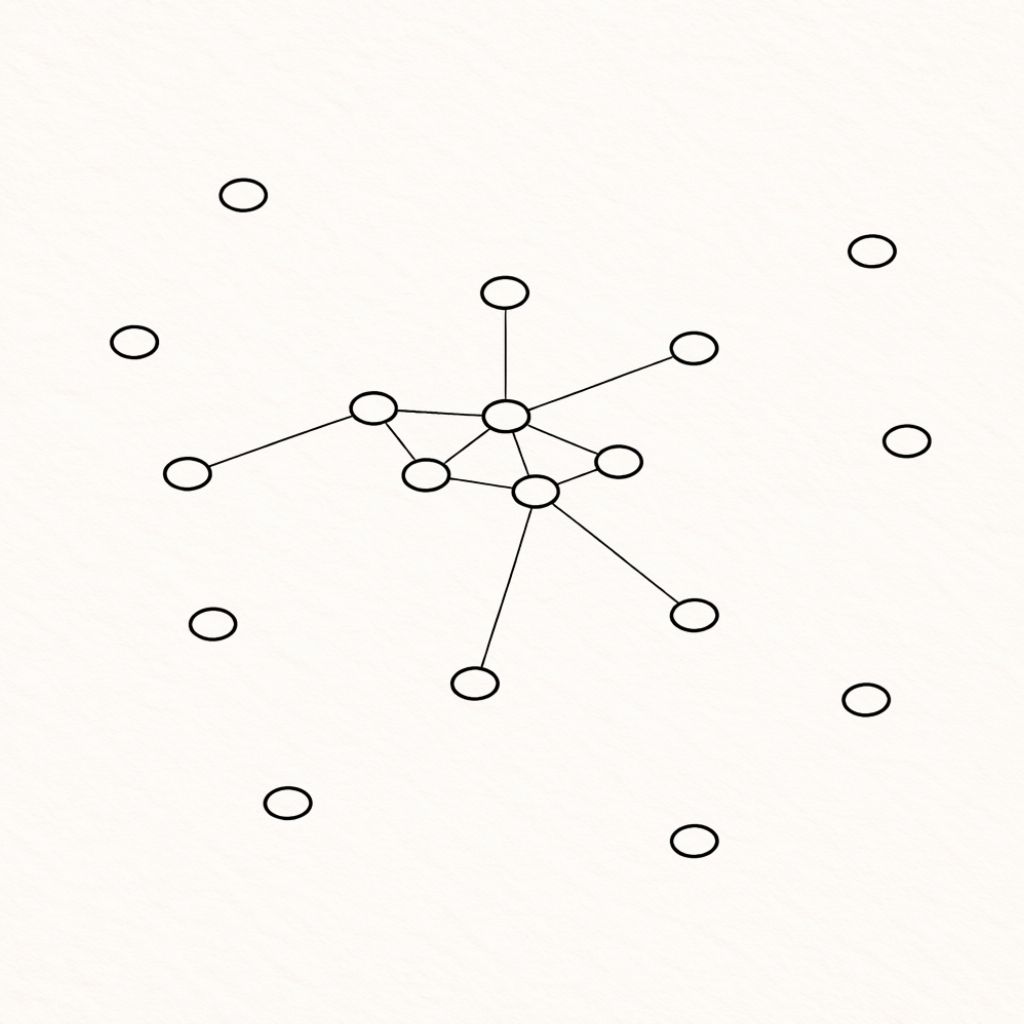
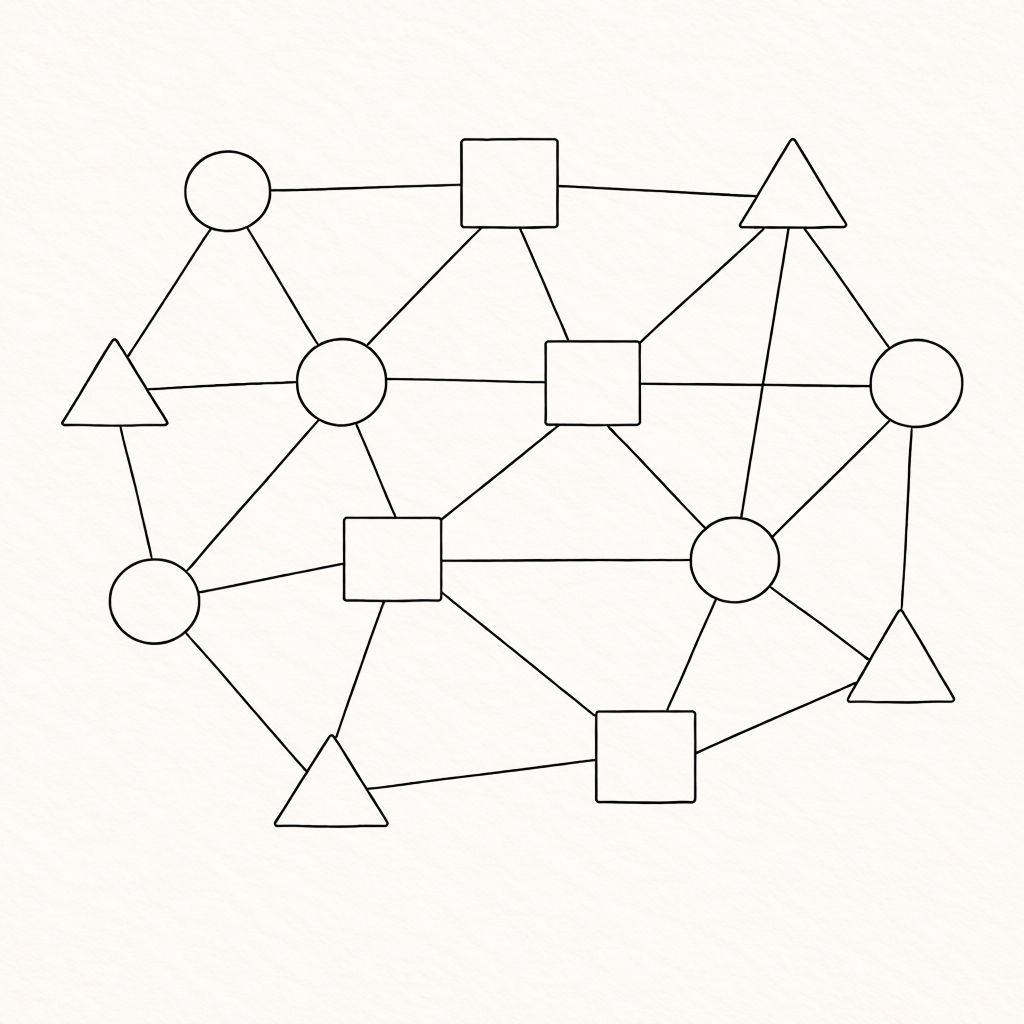
The Educator role exists to reduce confusion and make cooperative possibilities visible when they become relevant.
Educators help knowledge circulate so people can recognise options they may not otherwise see.
Education as Orientation
Education in this context is not about instruction or authority.
It is about helping people orient themselves so they can understand what is possible in their own situation.

Timing Matters
Educators do not share information constantly or indiscriminately.
Often, their role is to recognise when knowledge will be useful and share it at the moment it can support action.
Recognising Moments of Readiness
Someone looking for housing, starting a business, or organising a community project may not yet know cooperative options exist.
Educators recognise these moments and help connect people to relevant possibilities.
Holding Knowledge Until It Is Needed
Much of the Educator role involves learning and holding information without immediately sharing it.
Knowledge becomes valuable when conditions align, not simply when it is available.
Informal and Everyday
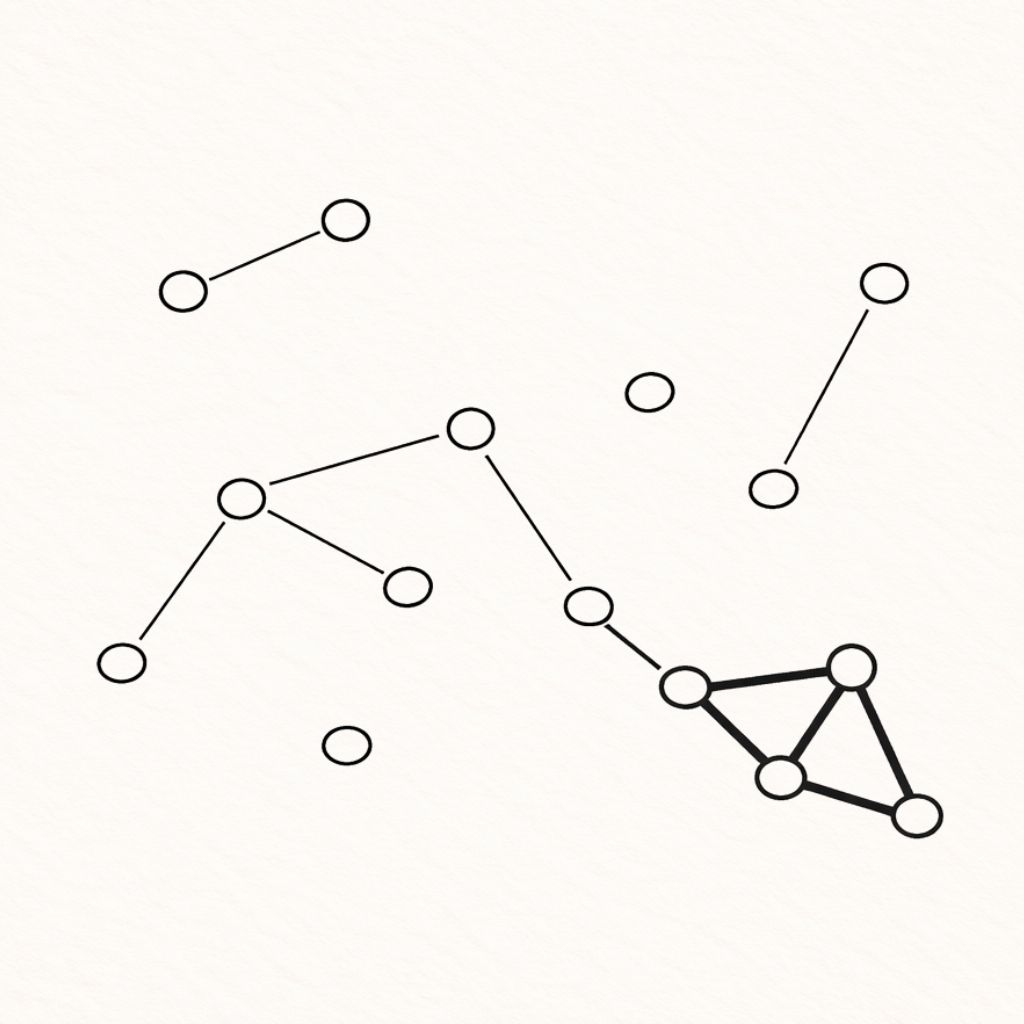
Education often happens through ordinary interactions.
Conversations, recommendations, shared stories, or passing on an article can all be acts of education when they reduce barriers to understanding.
Many Forms, One Function
Educators may write, teach, create content, or share knowledge privately.
The form varies, but the function remains the same: making cooperative ideas accessible and usable.
Not an Authority Role
Educators do not speak for the movement or interpret its values for others.
Their role is not to define meaning, but to support understanding.
Reducing Dependency
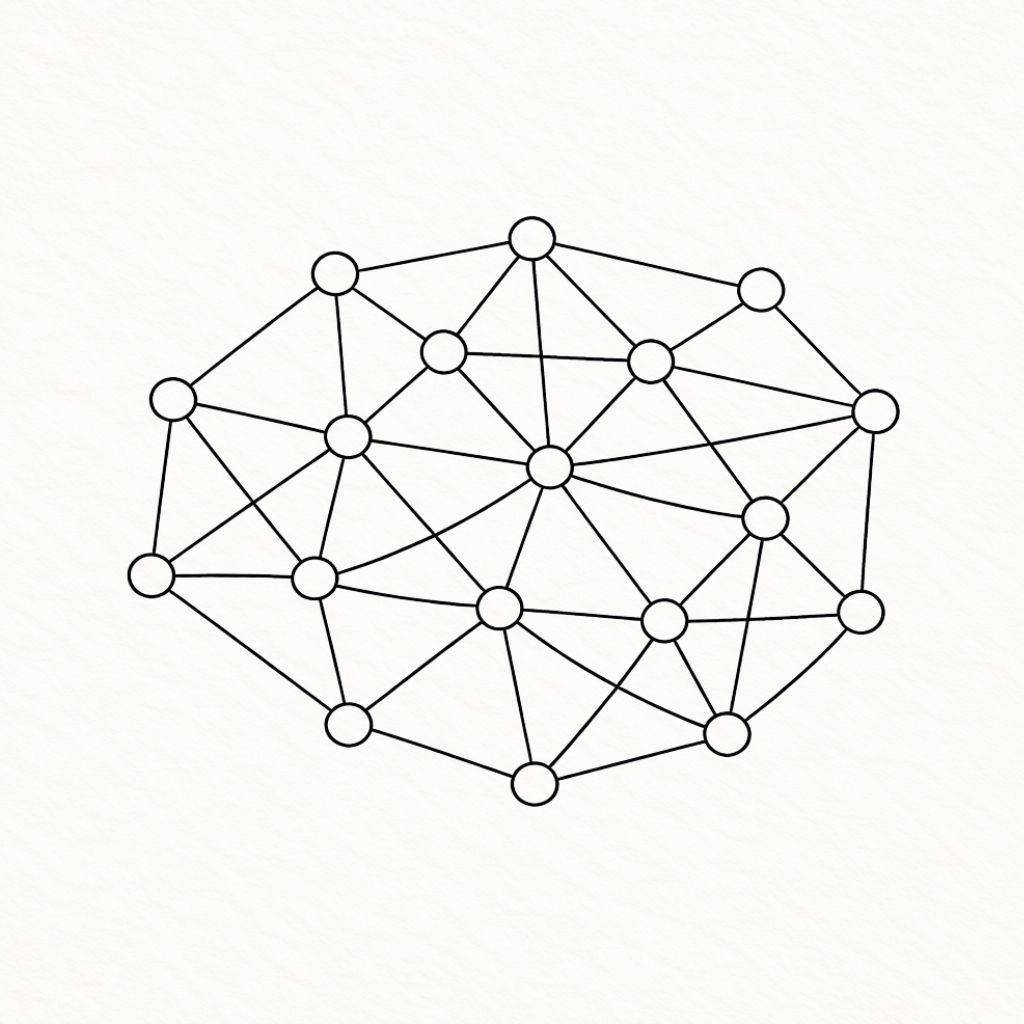
Effective education reduces reliance on the educator.
When people understand cooperative ideas, they no longer need someone to explain them and can act independently.

Narrow but Essential Scope
The Educator role is specific.
It supports awareness and understanding, but does not replace decision-making, leadership, or collective responsibility.
A Temporary Contribution
Education is not a permanent position.
Educators step back once understanding exists, allowing others to carry ideas forward in their own way.
Movement Between Roles
People often move between roles over time.
Someone may begin by learning and sharing knowledge, then later apply that understanding to build or support something new.
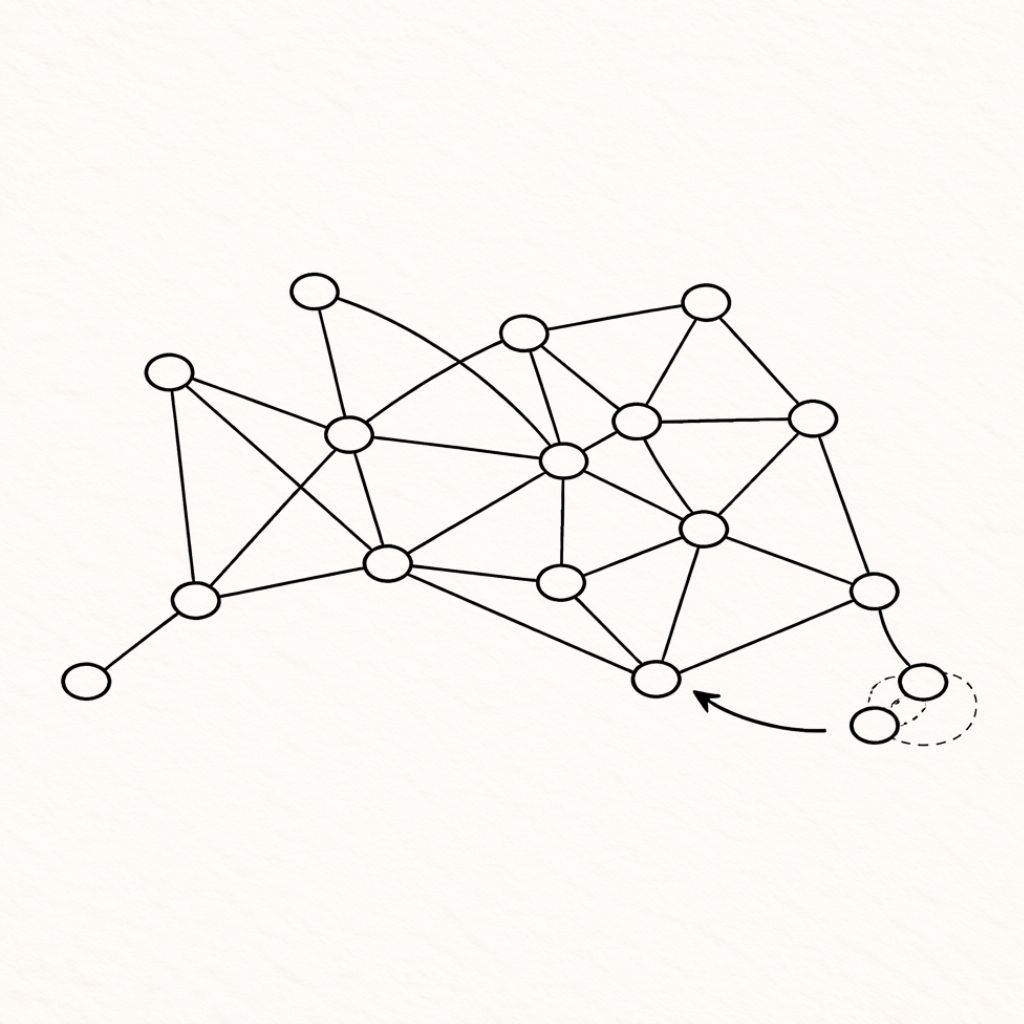
Education During Creation
When people begin building cooperative projects, they often return to the
Educator role by helping others understand the culture, history, and purpose of what is being created.
Grounded in Aligned Contribution
The Educator role operates within aligned contribution.
It respects limits, energy, and context, and does not require constant output or visibility.
Why Educators Matter
Without education, cooperative knowledge remains hidden, misunderstood, or inaccessible.
Educators make cooperation visible at the pace people are ready to engage.
Preparing the Ground
Educators do not push action.
They prepare conditions so that when people are ready, cooperation feels possible and grounded rather than abstract.