
Educators: Forms and Examples

Why Examples Matter
The Educator role is easiest to understand through practice.
These examples show how education appears in real situations and why it matters for cooperative development.
Education as a Compounding Force
In cooperative movements, education rarely produces immediate results.
Its impact comes from small actions that compound over time, creating conditions for others to act.
Mondragón: Education Before Enterprise
José María Arizmendiarrieta began his work in Mondragón by establishing a technical school for young workers.
The focus was skill, responsibility, and cooperation, not enterprise creation.
For years, this education produced no cooperatives at all.
Guidance at the Right Moment
When five workers were later prevented from buying shares in their workplace, Arizmendi helped them understand an alternative: forming their own worker-owned enterprise.
He guided the decision without taking control.

Education Without Command
Arizmendi did not sit on boards or manage operations.
He met regularly with cooperative members, offering advice and reflection while leaving responsibility with those doing the work.
Education supported action without replacing it.

What Followed
The first cooperative, Ulgor, emerged from this process.
Over time, education continued alongside creation, contributing to the growth of a cooperative ecosystem employing tens of thousands of people.
The role remained restrained, even as the system scaled.
Antigonish: Education Through Inquiry
In Nova Scotia, Dr. Moses Coady and Father Jimmy Tompkins organised study clubs in communities facing economic hardship.
People learned cooperative principles by discussing their own problems together.
Preparing People to Decide
The study clubs did not prescribe solutions.
They built shared understanding and confidence, which later led to the formation of credit unions, cooperatives, and collective enterprises.
Education preceded action, but did not dictate it.
Education in Everyday Life
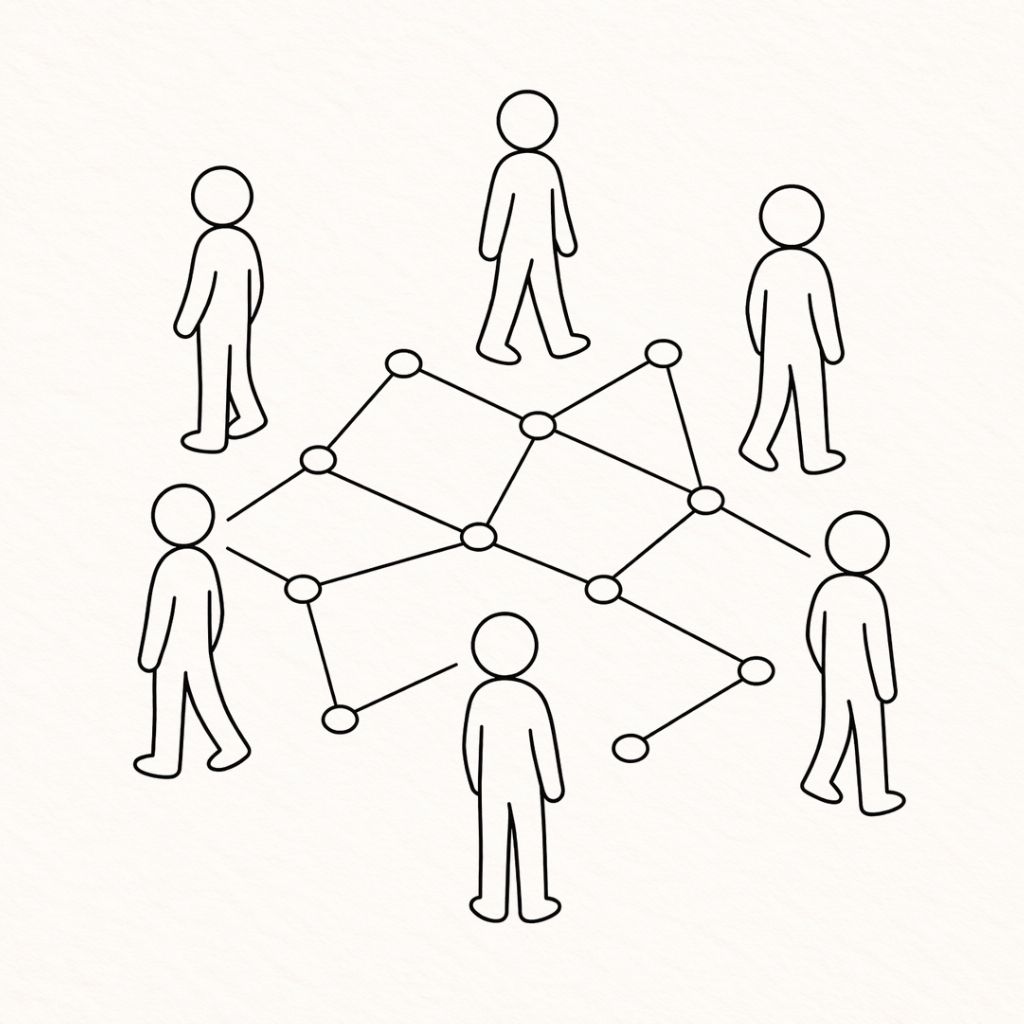
Most educators operate outside institutions.
Education often happens through conversation, shared stories, or practical suggestions offered when they become relevant.
Situational Education
A person explaining housing cooperatives to someone looking for a home, or sharing a cooperative model with someone dissatisfied at work, is performing the Educator role.
Timing is often more important than volume.
Education Through Creation
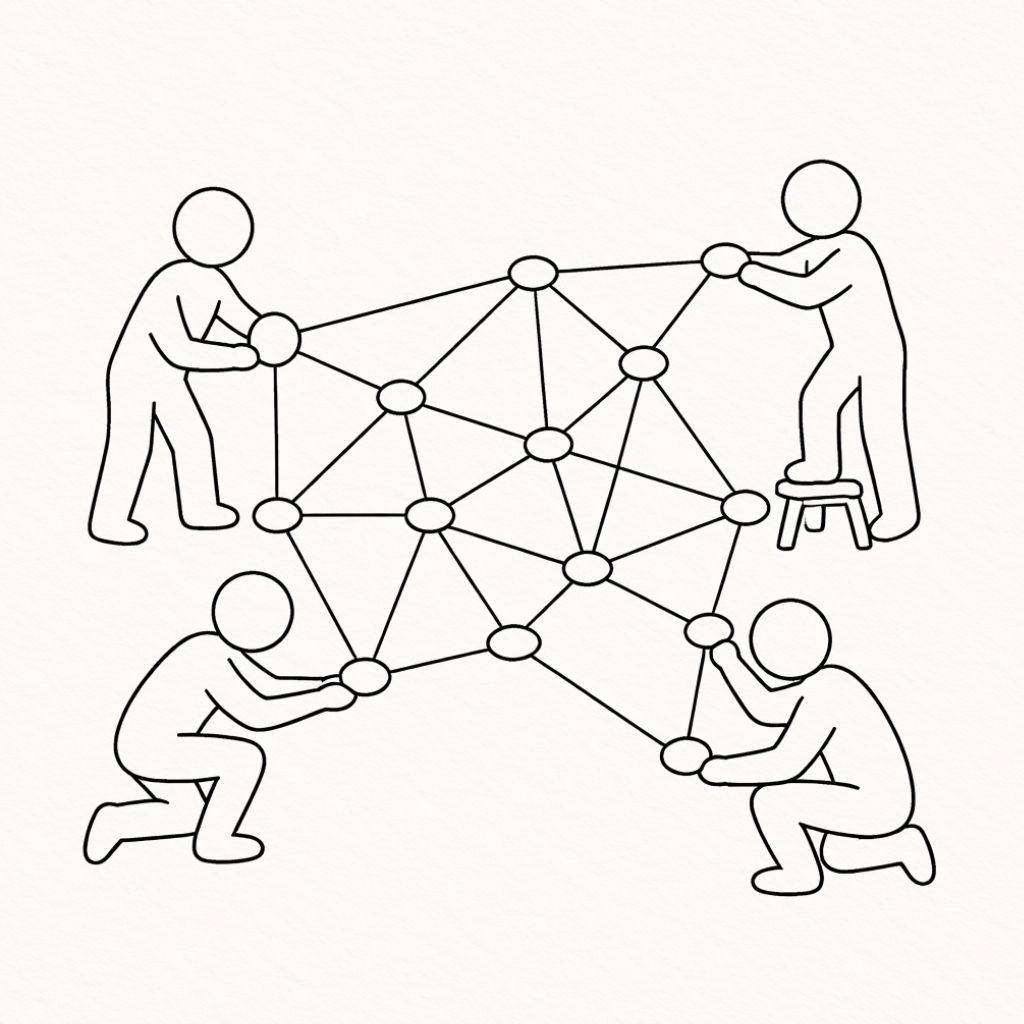
People building cooperative projects often educate others as part of the process.
Explaining culture, principles, and purpose becomes necessary for collaboration to function.
This education is grounded in lived experience.
Holding Knowledge Over Time
Some educators spend long periods learning without sharing.
Holding understanding until it becomes useful is itself a form of contribution.
Scale Does Not Define the Role
Educators may work with individuals, communities, or institutions.
Scale changes reach, not responsibility or importance.
Movement Between Roles
People move between Educator and Creator roles over time.
Learning leads to action, and action often creates new moments where education is needed again.
Recognising the Role
If you help people understand cooperative possibilities when they are ready to act, you are contributing as an Educator, regardless of visibility or setting.