
Time as a Design Tool

Time Is a Structural Tool
In cooperative systems, time is not a delay.
It is a design element.
Rushing inclusion does not create trust.
Time is what allows trust to form without forcing it.
Why Time Matters
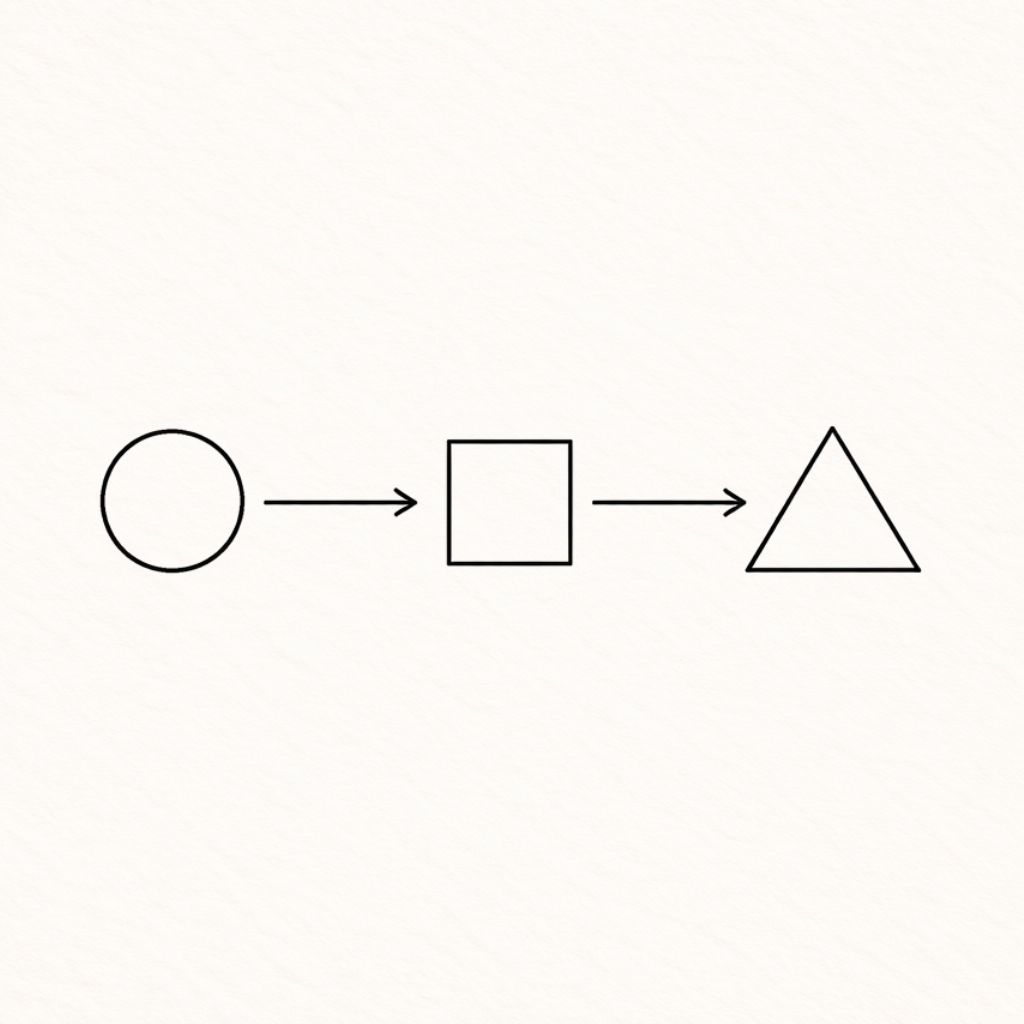
Trust is not declared.
Alignment is not assumed.
Both are revealed through contribution over time.
Structure exists to make that visible.

The Mistake People Make
Many projects confuse openness with immediacy.
“If we believe in cooperation, everyone should be equal from day one.”
That sounds ethical.
It often creates instability.

Early-Stage Reality
In the early stages of a project:
- The culture is still forming.
- The direction is still fragile.
- The risks are unevenly carried.
Time protects the project while it finds its shape.
Probation Is Not Exclusion
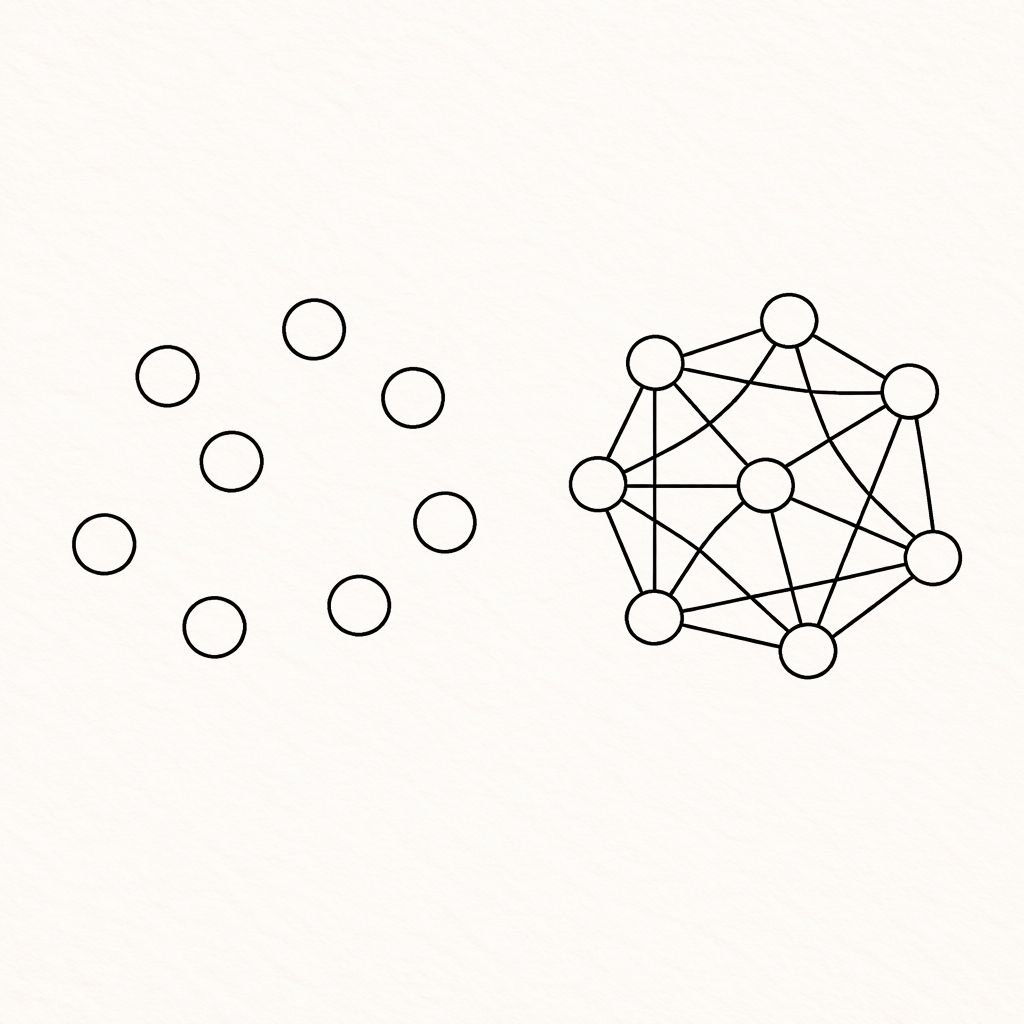
A probation or induction period is not about suspicion.
It is about learning:
- How decisions are made
- How conflict is handled
- How responsibility is shared
Why Immediate Ownership Backfires
When ownership is granted too early:
- People inherit power without context
- Decisions are made without shared understanding
- Disagreements become structural conflicts
This damages trust rather than building it.
Time Filters Motivation
Time reveals the difference between:
- Interest and commitment
- Curiosity and responsibility
- Support and stewardship
No interview process can do this alone.
Contribution Before Permanence
In durable cooperatives:
- Contribution comes before permanence.
- Participation comes before ownership.
- Responsibility precedes rights.
This sequence is deliberate.

Mondragón Did Not Rush This
At Mondragón, full membership was never immediate.
People worked, learned, and contributed before becoming members.
Time was part of the governance.
Why This Was Protective
This protected everyone involved:
- The organisation avoided capture
- Members avoided misalignment
- New entrants avoided commitments they didn’t yet understand
Time as Mutual Protection
Time does not only protect the organisation.
It protects the individual.
People can opt in gradually without being locked into roles they didn’t choose consciously.
Trial Before Permanence
Healthy cooperation allows:
- Trial without stigma
- Exit without punishment
- Learning without obligation
Time creates this flexibility.

Why This Is Not Exploitative
This only works if:
- Work is fairly paid or reciprocated
- Expectations are explicit
- No one is promised ownership as leverage
Time must be paired with honesty.
The Ethical Line
Time becomes unethical when:
- People are kept indefinitely “temporary”
- Responsibility increases without recognition
- Promises are implied but never formalised
Design prevents this drift.
Structure Removes Pressure
Clear time-based stages remove guilt.
No one has to ask:
“When do I get a say?”
“Why am I not included yet?”
The structure already answers.
Time Replaces Personal Judgment
Instead of leaders deciding “who deserves ownership”:
The system decides through time and contribution.
This reduces resentment and power struggles.
Not Everyone Wants Permanence
Time also reveals something else:
Some people never want ownership. They want clarity, fair pay, and autonomy.
That is not a failure of cooperation.
Designing for Movement, Not Control
Time-based pathways allow people to:
Step forward
Step back
Or remain peripheral
Without threatening the whole system.
What Time Makes Possible
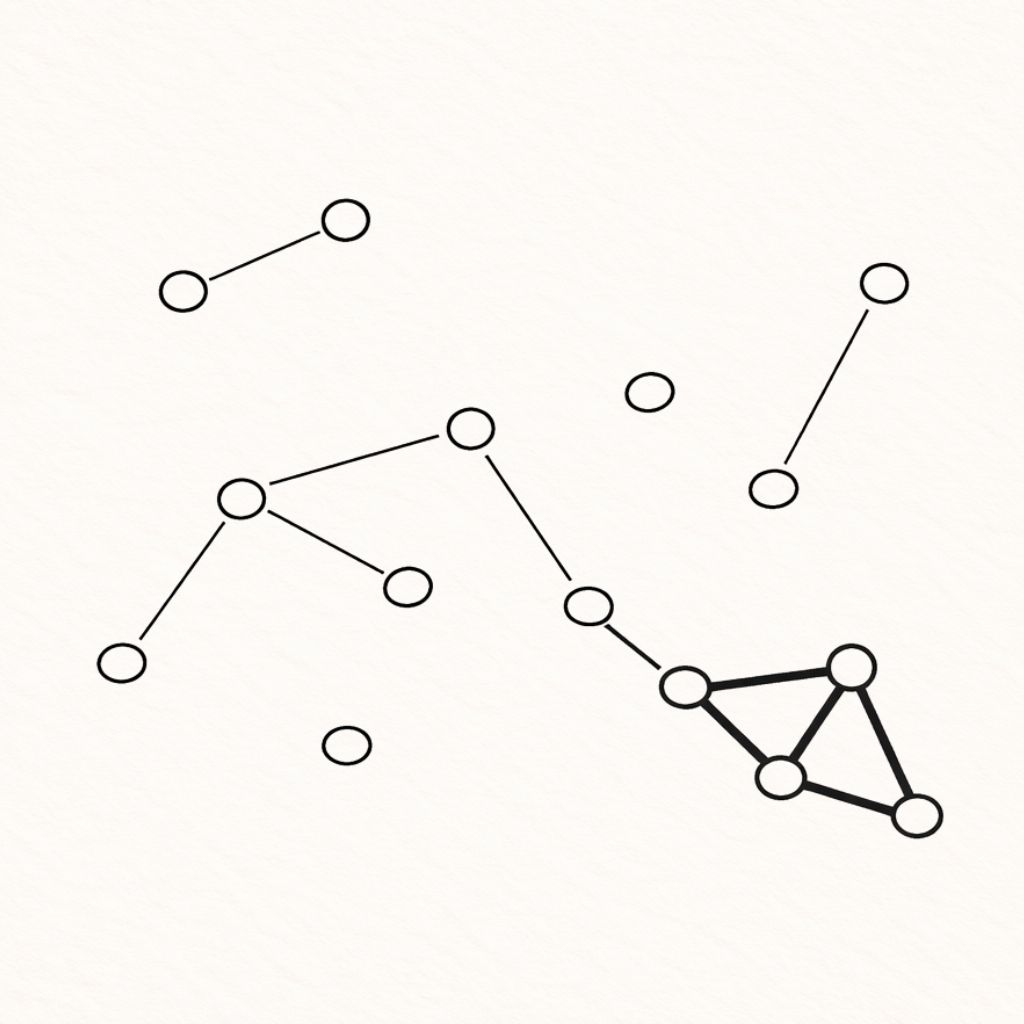
When time is designed properly:
- Ownership is meaningful
- Commitment is real
- Alignment is earned, not performed