
Reliance, Obligation, and Sustainability


What This Section Is About
This section looks at how projects become dependent on people, time, and effort, often without meaning to.
It explains how reliance quietly turns into obligation, and why that matters for sustainability.
Where the Tension Begins
Many cooperative and solidarity-based projects begin with goodwill.
People offer time, energy, skills, and care because they believe in the purpose.
At this stage, participation feels open and voluntary.

When Participation Becomes Reliance
Over time, some contributions become essential.
If certain people stop showing up, the project stalls or collapses.
At that point, the project is no longer just welcoming participation.
It is relying on it.
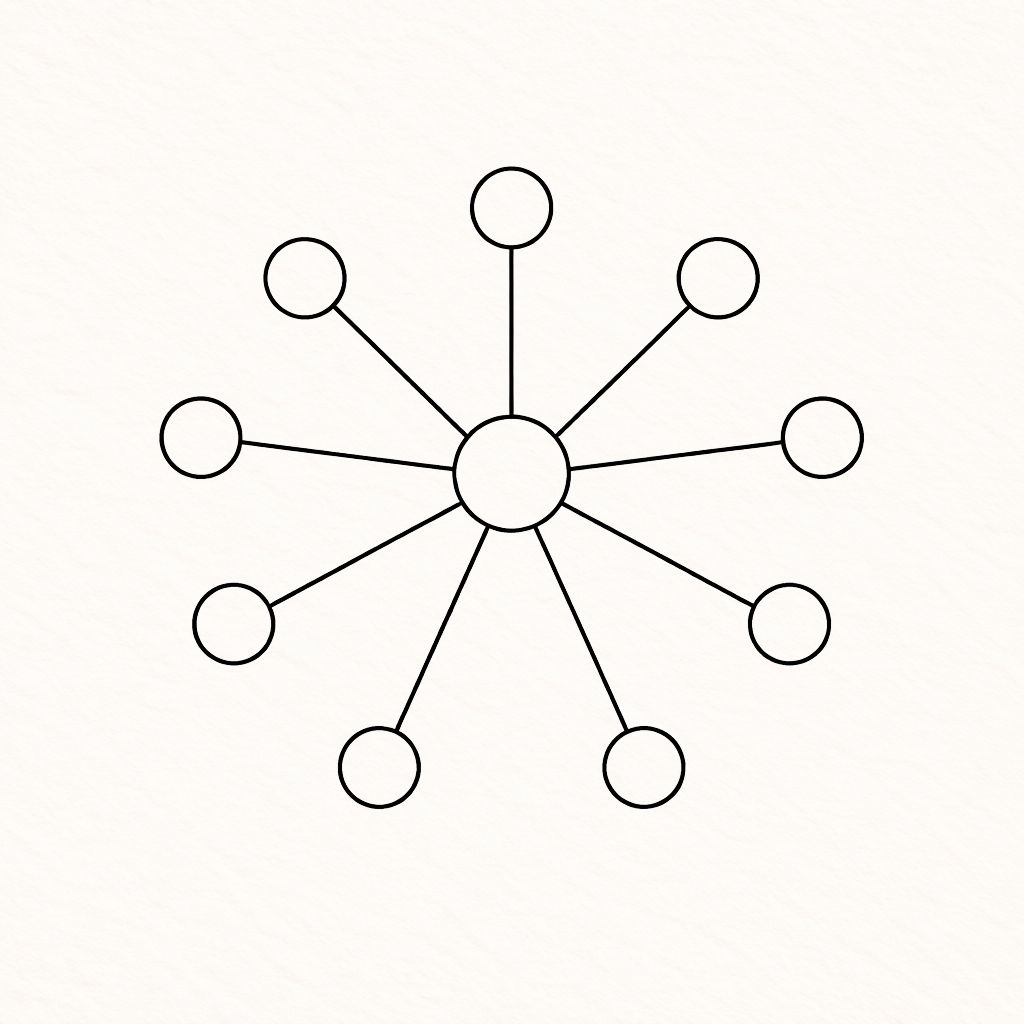
Reliance Changes the Relationship
Reliance creates dependency.
When a project depends on specific people to function, the nature of the relationship changes, even if nothing is said out loud.
This shift is often invisible, but it is real.
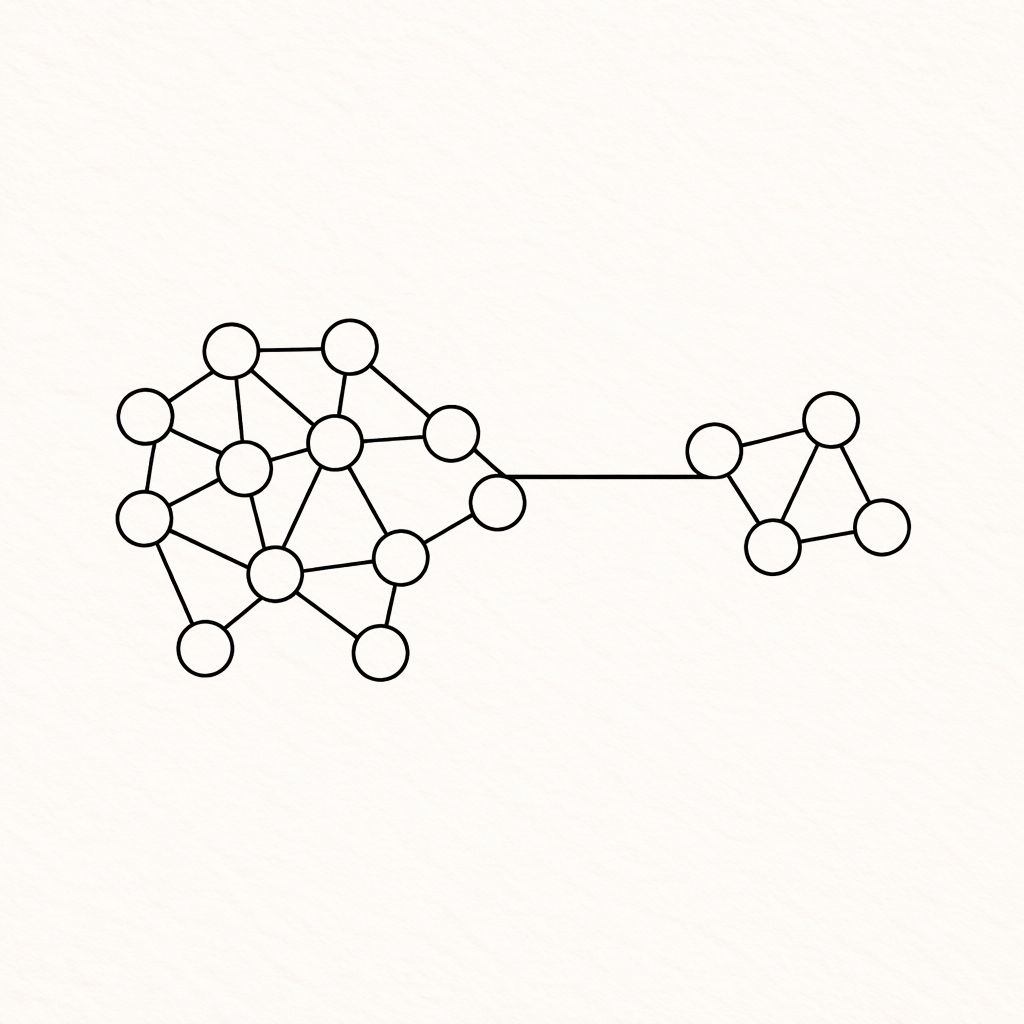
Obligation Emerges Quietly
Obligation appears when continuity matters.
People feel they cannot step back without harming others, undermining the project, or wasting previous effort.
The obligation is not imposed formally, but it is felt.
Why This Is Hard to Name
Because the project began with shared values, obligation is often interpreted as commitment or care.
People tell themselves they are choosing to stay, even when leaving feels impossible.
This blurring makes honest discussion difficult.
Invisible Costs Accumulate
Even without money changing hands, reliance has costs.
Time, energy, attention, and opportunity are spent.
When these costs are not acknowledged structurally, they accumulate privately.
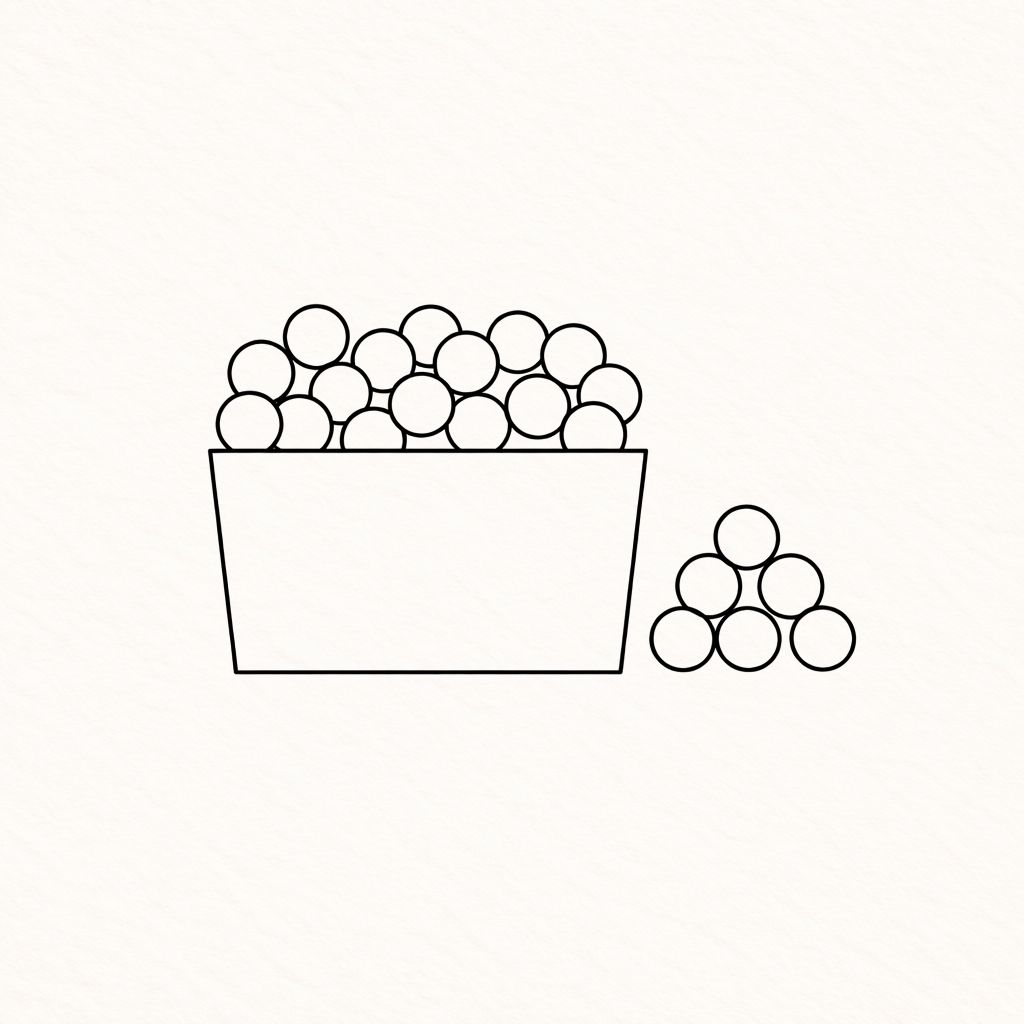
Why Burnout Is Predictable
Burnout is often treated as a personal failure.
In reality, it is a common outcome of systems that rely on unpaid or undefined obligation for core functions.
The system consumes capacity faster than it replenishes it.
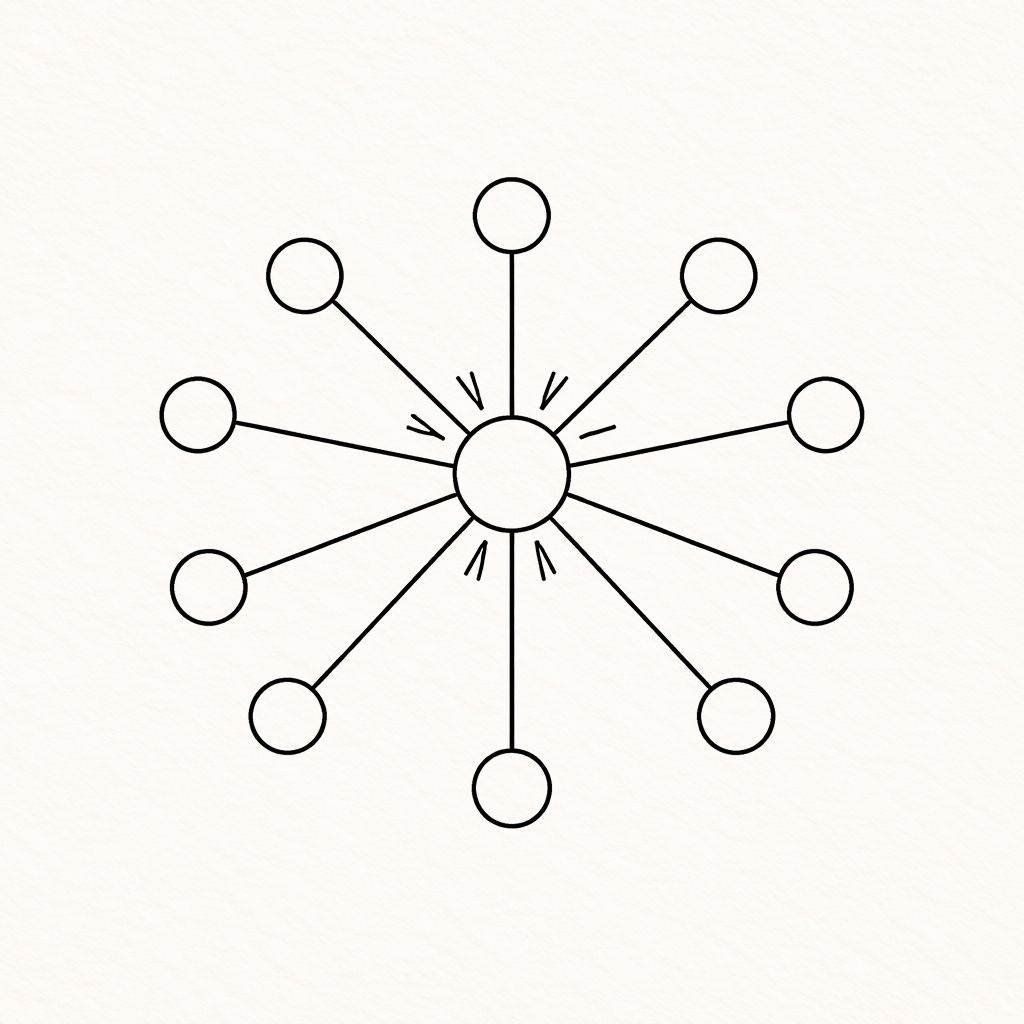
Good Intentions Do Not Prevent This
No one needs to exploit anyone for these dynamics to emerge.
They arise naturally when:
- work is essential
- roles are unclear
- responsibility is uneven
Intent does not cancel structure.
The Sustainability Question
A simple diagnostic question applies:
If the people currently carrying the work stopped, could the project continue?
If the answer is no, sustainability has not yet been designed.
Why Funding Does Not Automatically Fix This
External funding can temporarily relieve pressure.
But if reliance remains undefined, the same patterns return once funding ends.
Money delays the problem. It does not resolve it.
Moral Pressure as a Substitute for Design
When structure is absent, moral pressure often fills the gap.
People stay because they care, because others are counting on them, or because leaving feels like betrayal.
This is not a stable foundation.
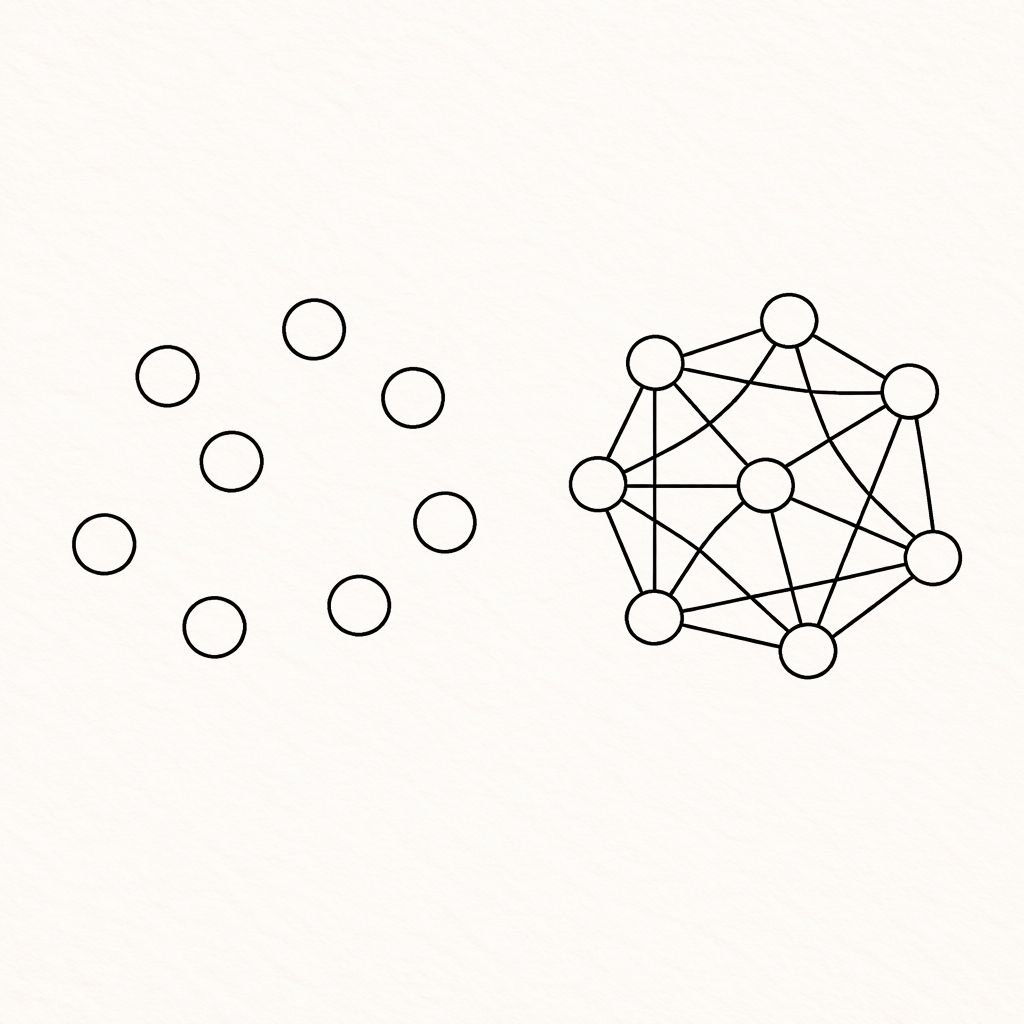
The Boundary Between Support and Dependence
Support is optional and flexible.
Dependence requires reliability and continuity.
When a project treats dependence as if it were still support, tension builds.
Why This Feels Personal
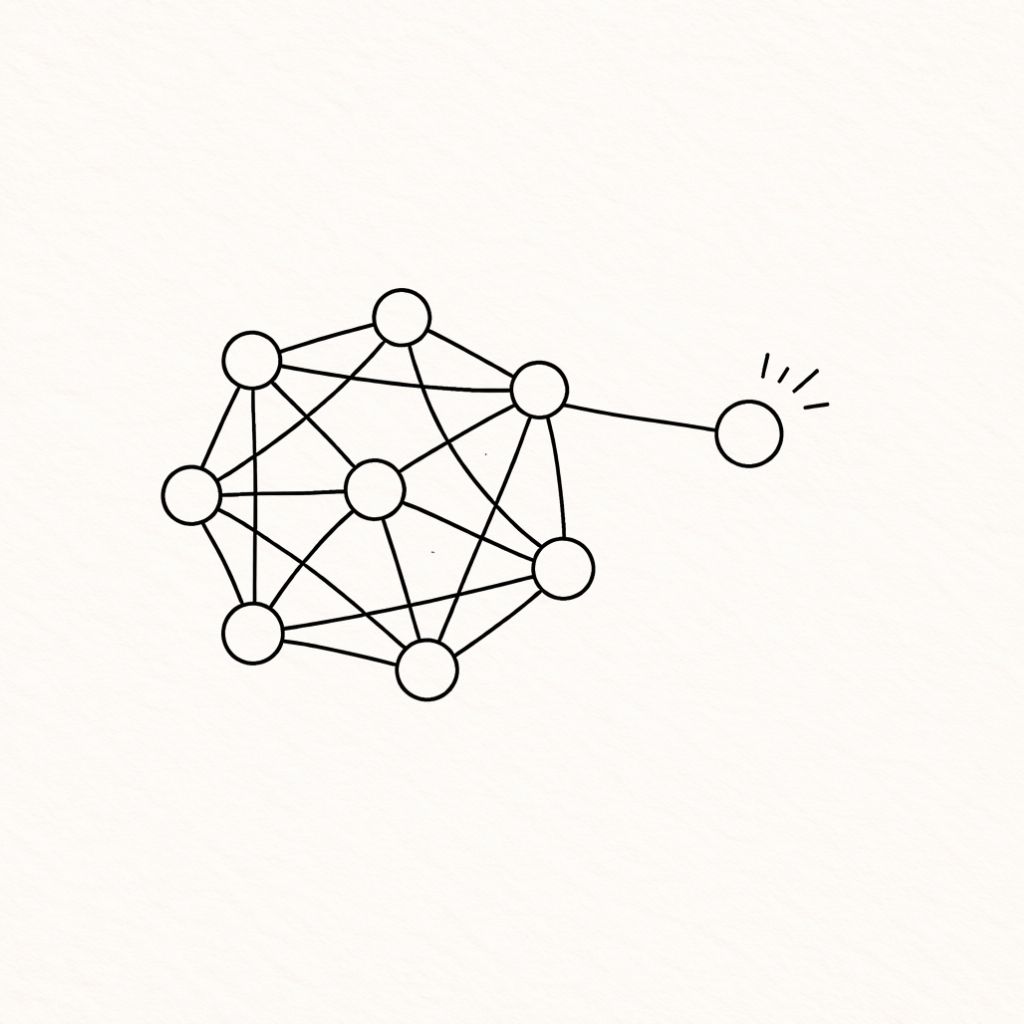
Because reliance is rarely named, people internalise the strain.
They feel guilty for wanting rest, payment, or limits.
The problem appears individual, even though it is systemic.
Sustainability Is Structural, Not Emotional
A sustainable system does not depend on constant sacrifice.
It does not require people to overextend themselves to survive.
Sustainability is about design, not dedication.
Why These Patterns Repeat
These dynamics recur because they sit at the intersection of values and survival.
Projects want to act ethically, but lack structures to carry the weight of their own success.
Avoidance feels easier than redesign.
What This Section Is Not Saying
This is not a rejection of volunteering, care, or mutual aid.
It is an explanation of what happens when essential work relies on undefined obligation.
Context matters.
Why Naming This Matters
When reliance is named, choices become possible.
Without naming it, projects drift until people quietly withdraw or burn out.
Clarity prevents collapse.
How This Relates to Viability
Viability means the work can continue without exhausting the people doing it.
If a project cannot sustain its core effort, it is not yet viable, regardless of intention.
What This Reveals
Tension around effort and commitment is not a moral failure.
It is a signal that structure has not caught up with reality.
Understanding this removes blame.
What This Changes
Reliance and obligation are not problems to be solved through goodwill.
They are signals that a project has reached a point where informal arrangements are no longer enough.
Seeing this clearly changes how decisions are made.
Why Timing Matters
Not every project needs formal structure immediately.
But delaying structure once reliance is established increases strain and risk.
The question is not whether to formalise, but when.