
Regenerative Growth in Practice

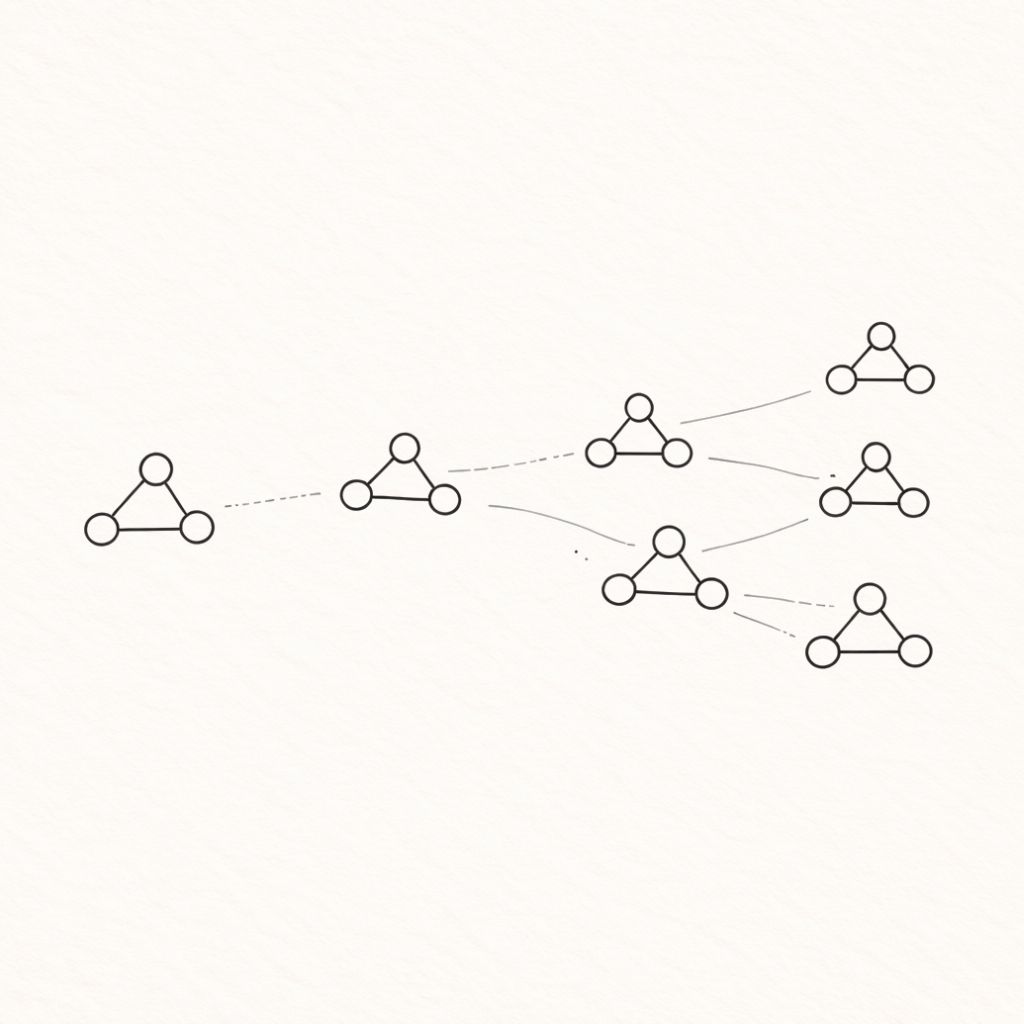
Why This Section Exists
So far, this pathway has explained how cooperation can grow without absorption or capture.
This section shows what that design produced in reality.
Practical responses to real pressures.
Growth Created New Needs
As Mondragon expanded, new pressures emerged:
- economic downturns
- workforce instability
- skill shortages
- financial risk
- regional inequality
These were not abstract problems.
They required structural solutions.
The First Pressure: Employment Stability
In conventional firms, downturns lead to layoffs.
Mondragon took a different approach.
Rather than eject people from the system, they redesigned the system to absorb shocks.
Retraining Instead of Firing
When demand fell in one enterprise:
- many workers were retrained
- redeployed into growing sectors
- supported through transition
Employment security came from mobility inside the ecosystem, not job guarantees inside one firm.

Why This Mattered
This approach:
- preserved skills
- protected dignity
- reduced fear-driven behaviour
- maintained trust during crises
It also reinforced why independence between enterprises mattered.
The Second Pressure: Finance
As more co-ops formed, access to capital became a constraint.
External banks:
- did not understand cooperative models
- priced risk conservatively
- extracted value without reinvestment
So Mondragon built its own solution.
A Cooperative Bank Was Created
The internal bank existed to:
- support new enterprises
- stabilise existing ones
- reinvest surplus locally
Its role was infrastructure, not control.
It funded what strengthened the ecosystem.

Contribution Did Not Equal Control
Enterprises contributed financially.
That contribution did not purchase:
- governance power
- ownership over others
- strategic dominance
Returns came through capacity, stability, and shared advantage.
The Third Pressure: Skills and Culture
Growth created another problem:
Who trains the next generation?
Hiring externally risked:
- cultural dilution
- managerial drift
- professionalisation without commitment
Mondragon co-ops needed to address this.
Education as Infrastructure
Education was treated as a core system, not a side activity.
It produced:
- technically skilled workers
- cooperative founders
- managers formed inside the culture
This reduced dependence on external labour markets.

Why This Was Regenerative
Education didn’t just fill roles. It:
- created entrepreneurs
- enabled new enterprises
- allowed expansion without hierarchy
Growth multiplied capability instead of concentrating authority.
The Fourth Pressure: Social Security
As the ecosystem matured, individual wellbeing became a system issue.
Health, welfare, and family stability affected productivity and cohesion.
These needs could not be solved at enterprise level alone.
Shared Social Infrastructure Emerged
Over time, Mondragon developed:
- healthcare systems
- welfare support
- community programmes
These were regional, not corporate.
They strengthened life outside the workplace.
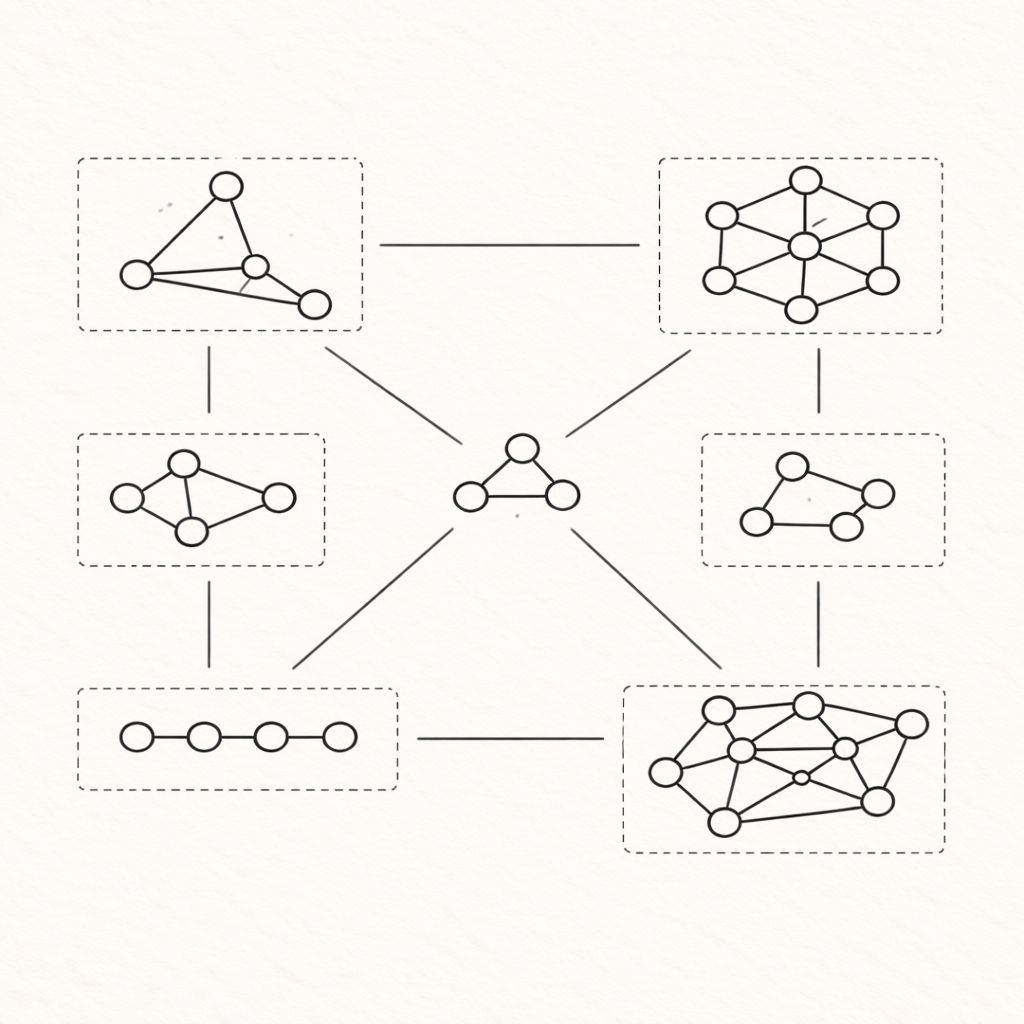
Why Confederation Enabled This
Federation alone could not support these systems.
Confederation allowed:
- pooling across sectors
- regional coordination
- long-term investment
- separation of power and care
This is where confederation goes beyond efficiency.
Not Ideology. Necessity.
These structures were not built to prove a theory.
They emerged because:
- the system needed them
- markets failed to provide them
- collapse was the alternative
Design followed pressure.
What Regenerative Growth Means
Growth did not mean:
- extracting more
- centralising control
- absorbing successful units
It meant building what the ecosystem lacked.
What This Protects
This model protected:
- founders from erasure
- workers from disposability
- enterprises from capture
- regions from hollowing out
By design, not goodwill.
Why This Matters Today
Many cooperative projects stall because:
- growth creates fragility
- scale introduces power struggles
- support systems lag behind expansion
Regenerative growth solves this structurally.
Pathway Complete
You’ve reached the end of the Mondragon Logic pathway.
You now have a clearer understanding of how cooperative ecosystems can grow without absorption, how founders and workers can be protected structurally, and how confederated systems regenerate capacity rather than concentrate power.
What comes next depends on what you are building, the scale you are approaching, and whether your challenge is growth, coordination, or system design.