
Pioneers: Forms and Examples

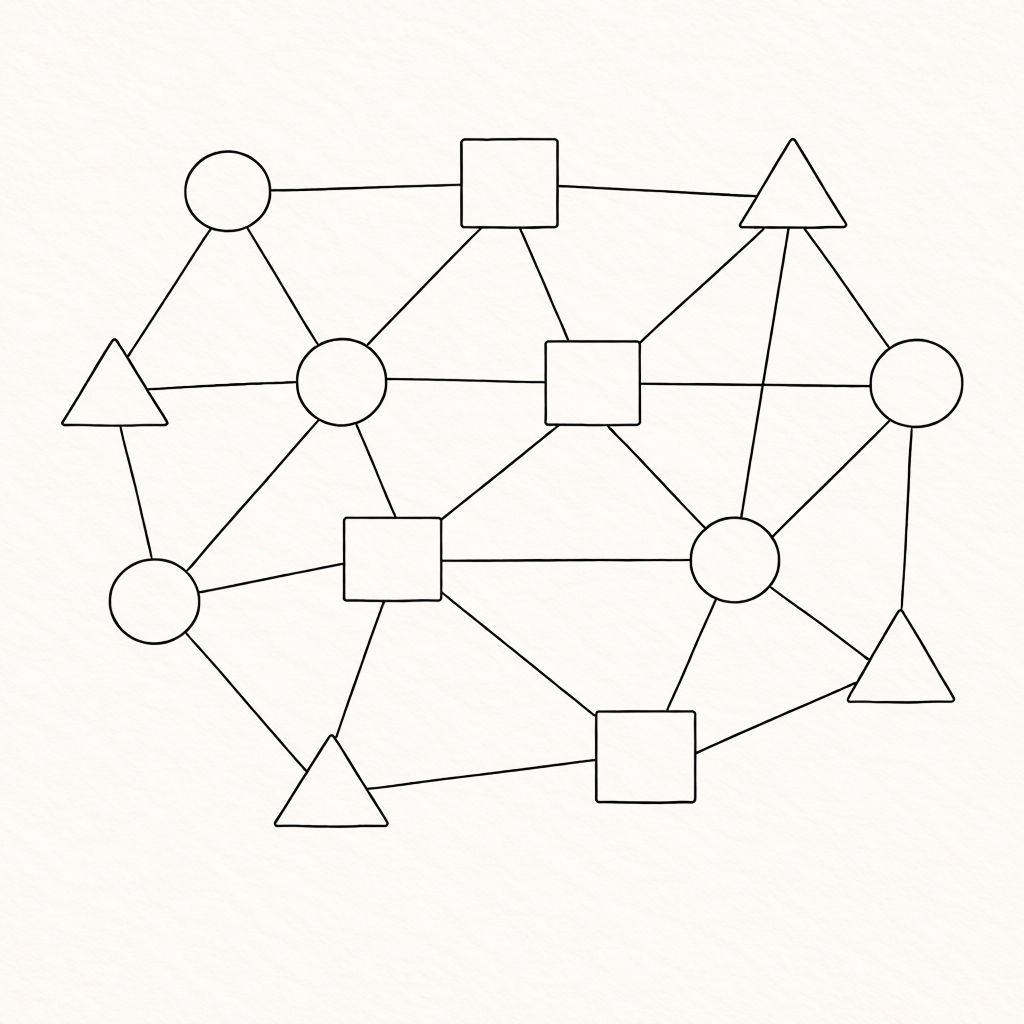
What This Carousel Explores
This carousel explains the Pioneer role within cooperative movements.
It shows how people create cooperative structures where none yet exist, and how those early efforts open paths for others to follow.
What Pioneers Do
Pioneers act when there is no cooperative option to join.
They identify a shared problem and take responsibility for creating a first workable response.

Not About Being First or Original
Pioneering is not about innovation, status, or vision.
It is about acting early and building something that does not close the door behind you.
A Pathway Into Cooperation
For many people, pioneering is a practical entry point into cooperative life.
It begins with a concrete need and grows through use, learning, and adaptation.
The Core Pioneer Pattern
Across cooperative history, pioneers tend to follow a similar pattern:
- Identify a shared problem
- Build a cooperative response
- Make it understandable
- Allow others to repeat or connect to it
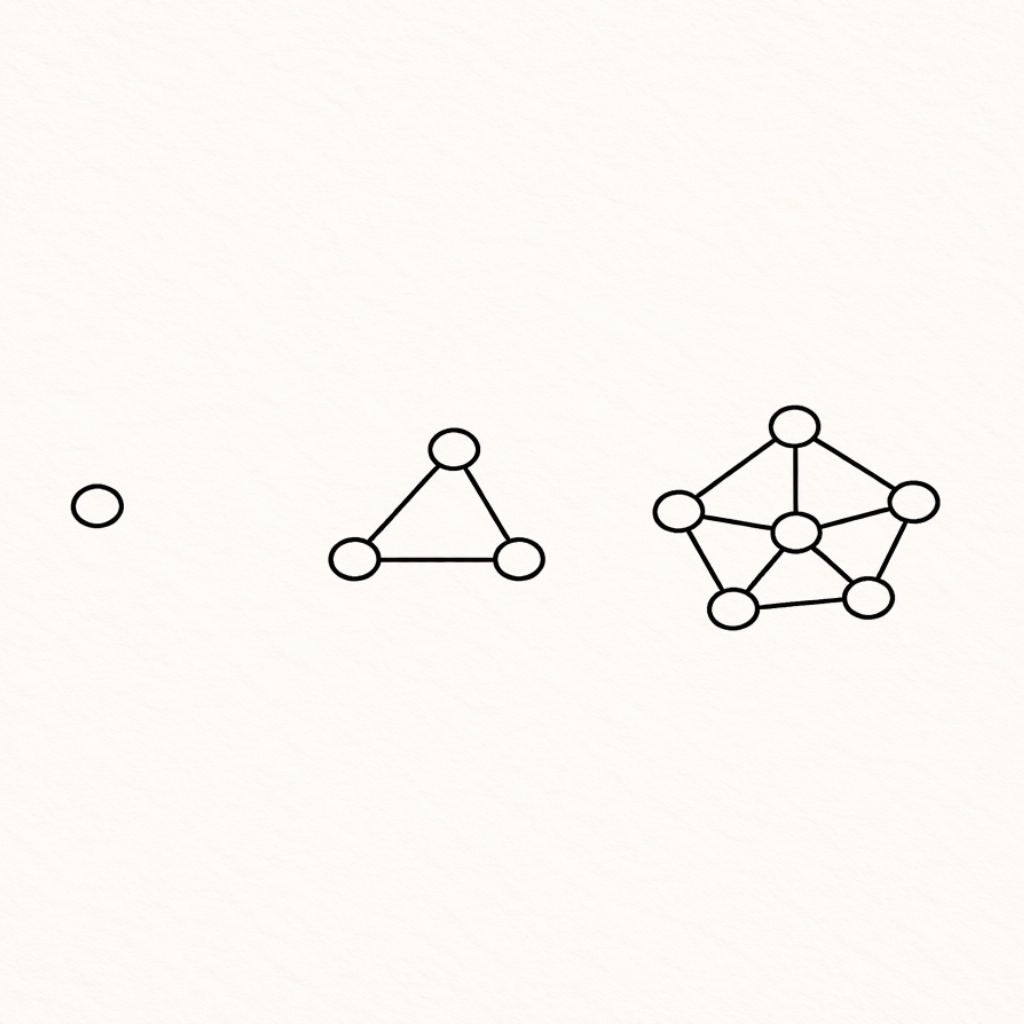
Why Replication Matters
When a cooperative is clear and open, others can copy it without permission.
Replication strengthens the original effort rather than weakening it.

Replication in Practice: Rochdale
In nineteenth-century England, a group of workers struggled to access affordable, reliable food.
They opened a small cooperative shop to meet this need.
What Made Rochdale Pioneering
The group documented how the cooperative worked.
Because the rules and principles were clear, other groups could copy the model and create their own cooperatives.
How Replication Helped the Original Pioneers
As more cooperatives formed, shared supply networks developed and cooperation became normal.
This reduced isolation and improved the stability of the original effort.
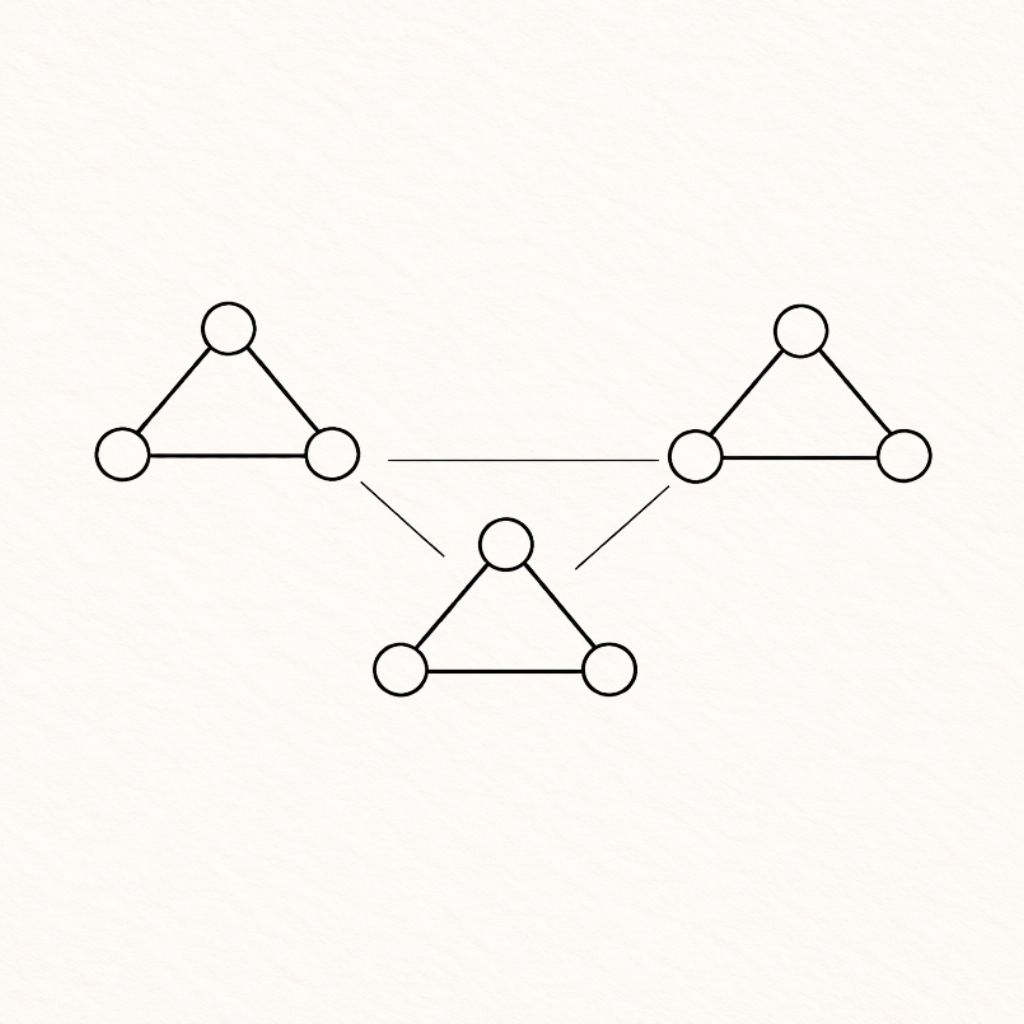
When Replication Becomes Federation
In some contexts, repeated cooperative efforts begin to connect.
Shared systems emerge to support training, finance, or coordination.
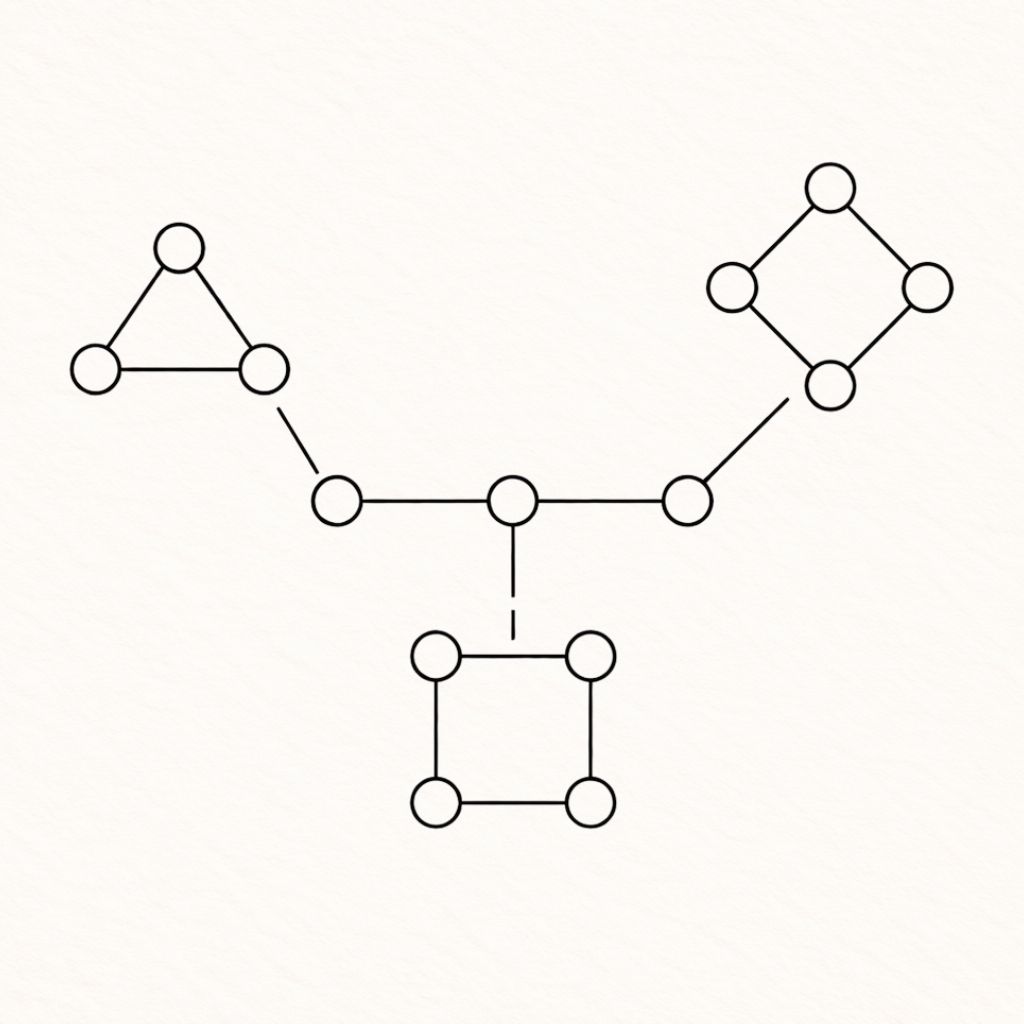
Federation in Practice: Mondragón
In a town in Spain, workers excluded from ownership created a worker-owned enterprise.
Others followed the same approach, forming additional cooperatives.
Why Connection Mattered
As cooperatives multiplied, shared institutions emerged.
Workers gained access to retraining, movement between enterprises, and shared social support.
Personal Benefit of Federation
For individuals, federation reduced risk.
If one cooperative struggled, people were not left without options. Connection made participation safer.
A Different Pioneer Path: Emilia-Romagna
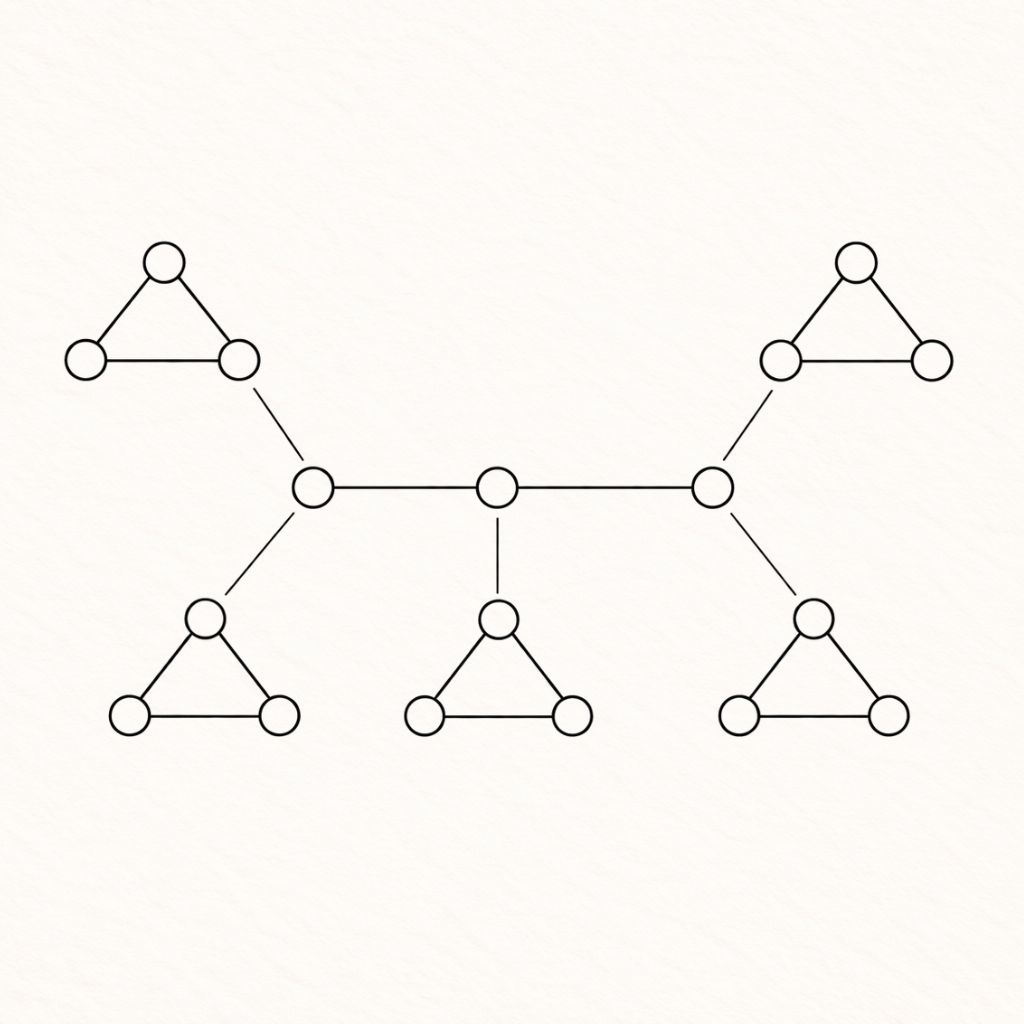
In parts of Italy, many small cooperatives emerged across sectors.
Instead of merging, they built shared support structures while remaining independent.
Why This Worked
Shared services lowered costs and reduced exposure to shocks.
Independence was preserved because connection was designed deliberately.
Everyday Pioneering
Pioneering does not require large organisations or major resources.
It often begins with small groups responding to everyday constraints they already face.
A Practical Example: Shared Tools
A group of photographers may struggle to afford equipment individually.
By creating a shared tool library, they reduce personal debt and avoid unnecessary duplication.
The cooperative solves one clear problem: access to tools.
How This Becomes Cooperative Infrastructure
Once established, the shared library can expand. Maintenance costs are shared.
Booking systems are agreed collectively. Access becomes reliable rather than improvised.
What began as a workaround becomes a stable cooperative service.
From One Group to Many
As similar groups emerge elsewhere, these tool libraries can connect.
They may share supplier relationships, technical knowledge, or insurance arrangements.
Each group remains independent, but no longer operates in isolation.

Why Connection Benefits the Original Group
Connection reduces risk for the people who started the project.
Costs are shared more widely.
Knowledge accumulates.
The cooperative becomes harder to break and easier to sustain.
Openness strengthens the original effort rather than undermining it.
The Everyday Pioneer Pathway
Everyday pioneering follows a simple route:
- Identify a shared constraint
- Build a cooperative response
- Stabilise it through use
- Allow others to repeat and connect
This path does not require scale. It requires clarity.
When the Pioneer Role Is Complete
The pioneer role ends when the structure no longer depends on its founders.
Others can run it, adapt it, or connect to it without permission.
At that point, stewardship passes to the wider cooperative community.
Passing the Work On
As pioneering gives way to continuity, other roles take over.
Members sustain the structure.
Educators share understanding.
Allies support from outside.
The movement advances because no single role is permanent.