
Organisational Formation and Timing


What This Section Is About
This section looks at when projects formalise, when they delay structure, and when remaining informal is the right choice.
Timing matters as much as intention.
A Common Pressure
Many values-led projects feel pressure to formalise early.
People assume:
- legitimacy requires structure
- ethics require formal status
- seriousness requires incorporation
These assumptions are often unexamined.
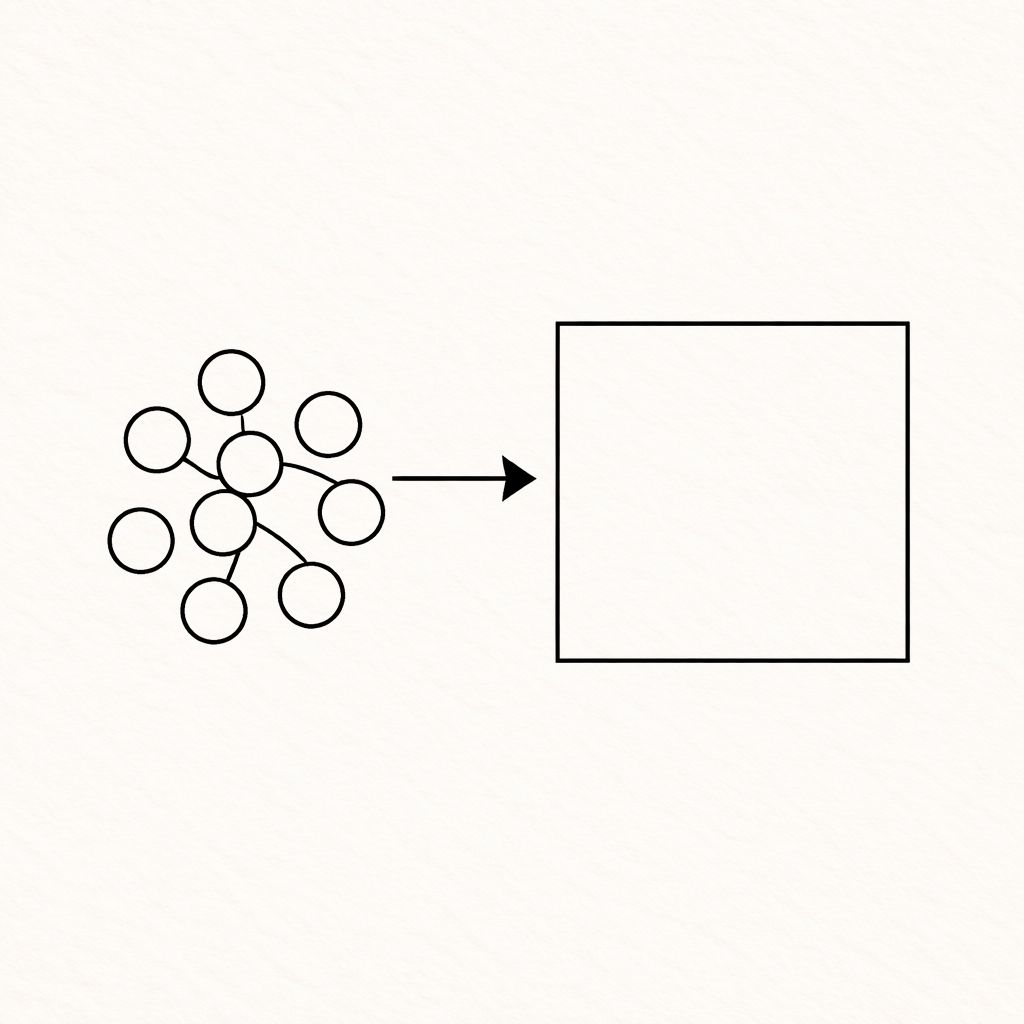
Why Early Formalisation Can Backfire
Formal structures introduce:
- legal obligations
- administrative load
- fixed roles
- long-term commitments
If a project is still unstable, structure can lock in confusion rather than resolve it.

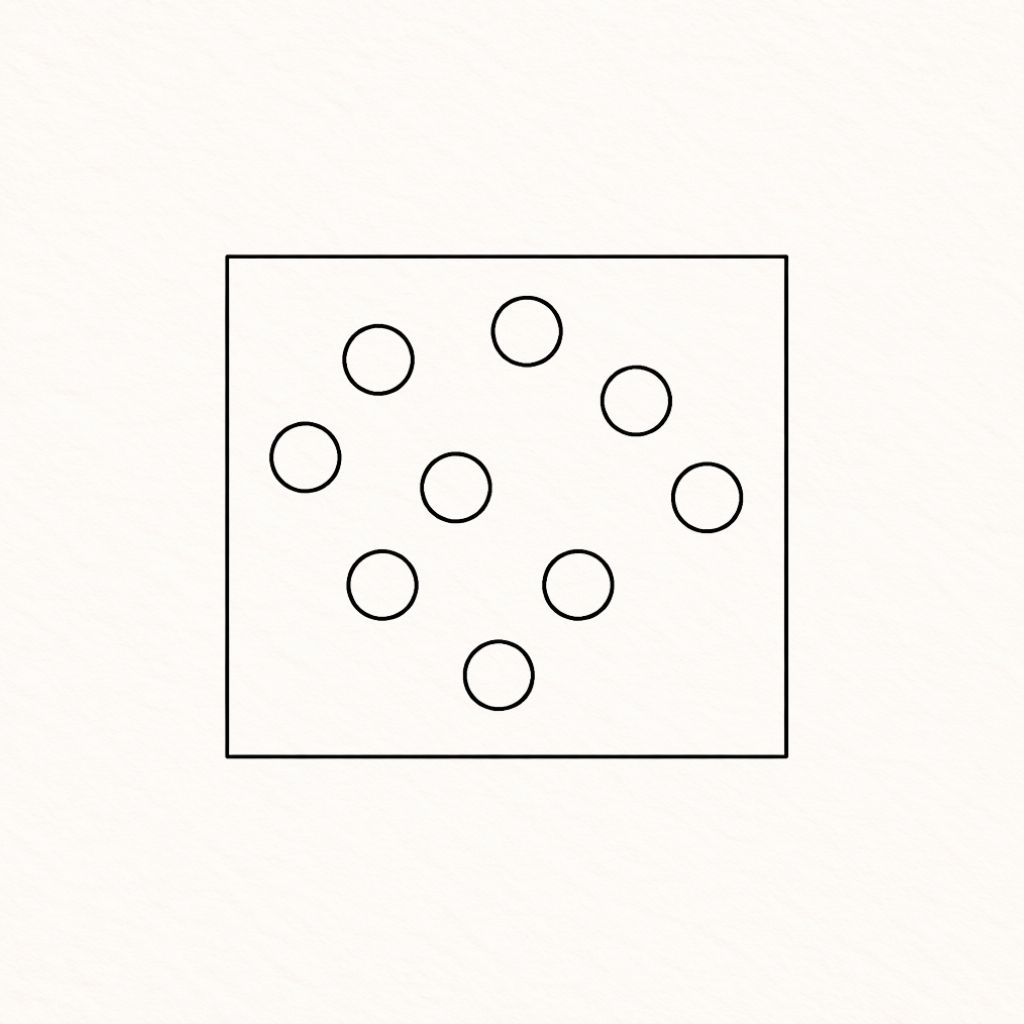
Structure Does Not Create Clarity Automatically
Incorporation does not:
- align values
- distribute responsibility fairly
- resolve conflict
- guarantee participation
Structure amplifies what already exists.
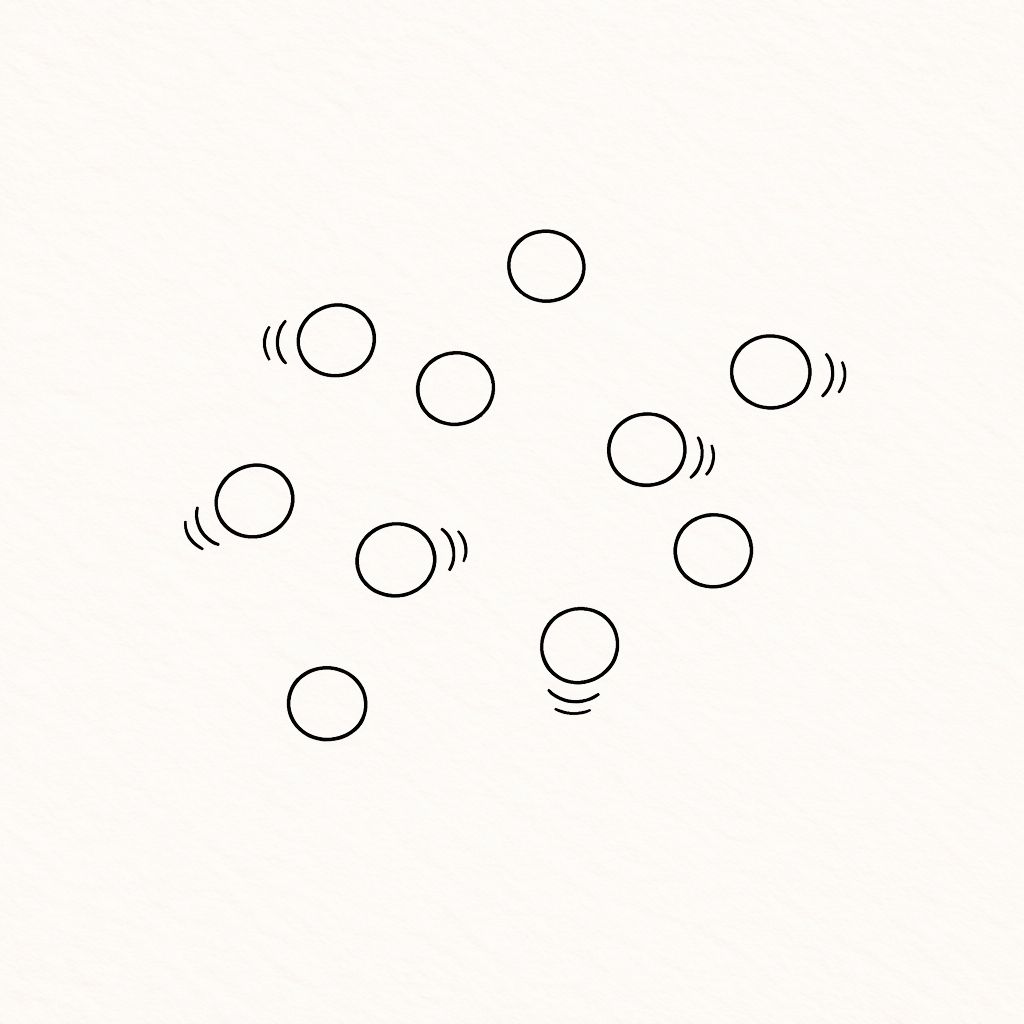
When Informality Is Doing Real Work
Remaining informal can allow:
- experimentation
- trust-building
- role discovery
- iteration without penalty
In early stages, this flexibility can be a strength.
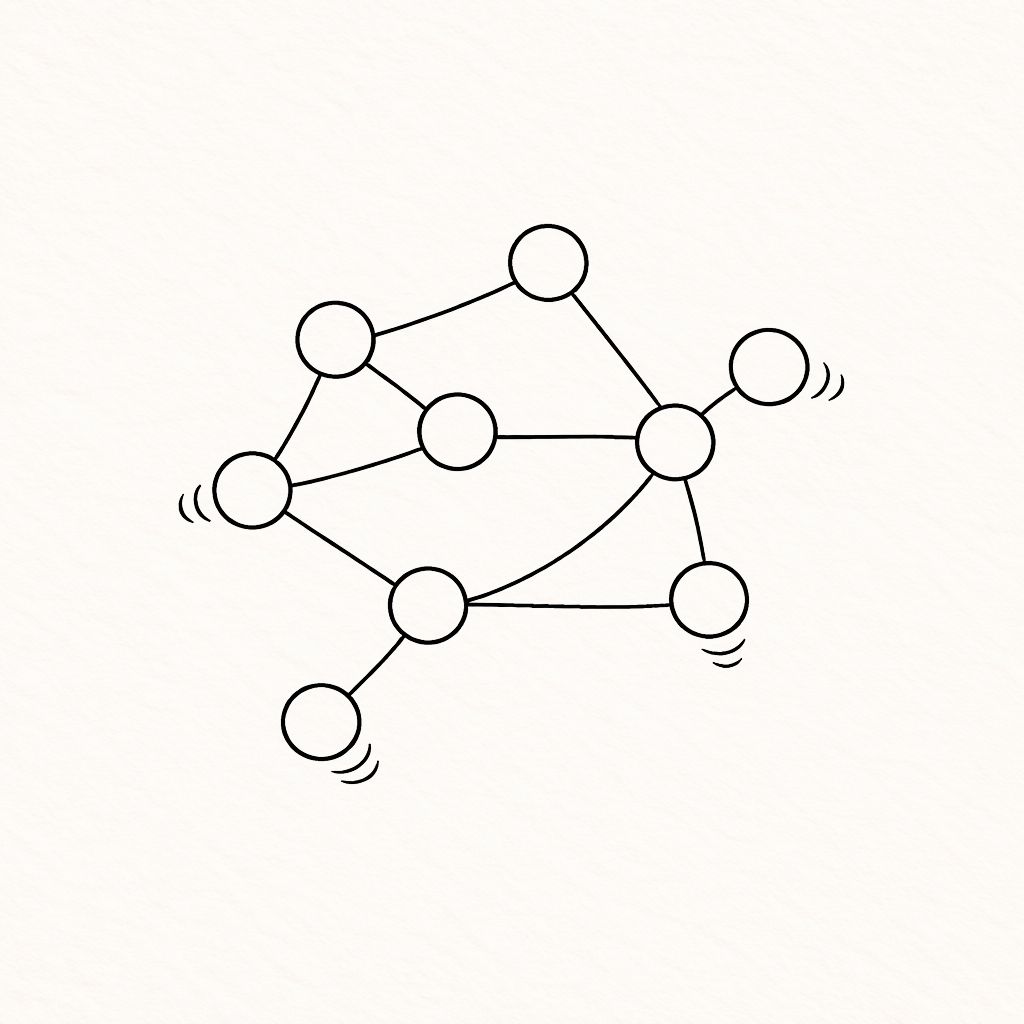
The Risk of Staying Informal Too Long
Informality becomes risky when:
- reliance is established
- obligation is felt
- decisions affect livelihoods
- assets or reputation are at stake
At this point, lack of structure creates vulnerability.
Why Timing Is the Real Question
The issue is rarely structure versus no structure.
The issue is whether the structure matches the stage the project has reached.
Mistimed structure creates strain.
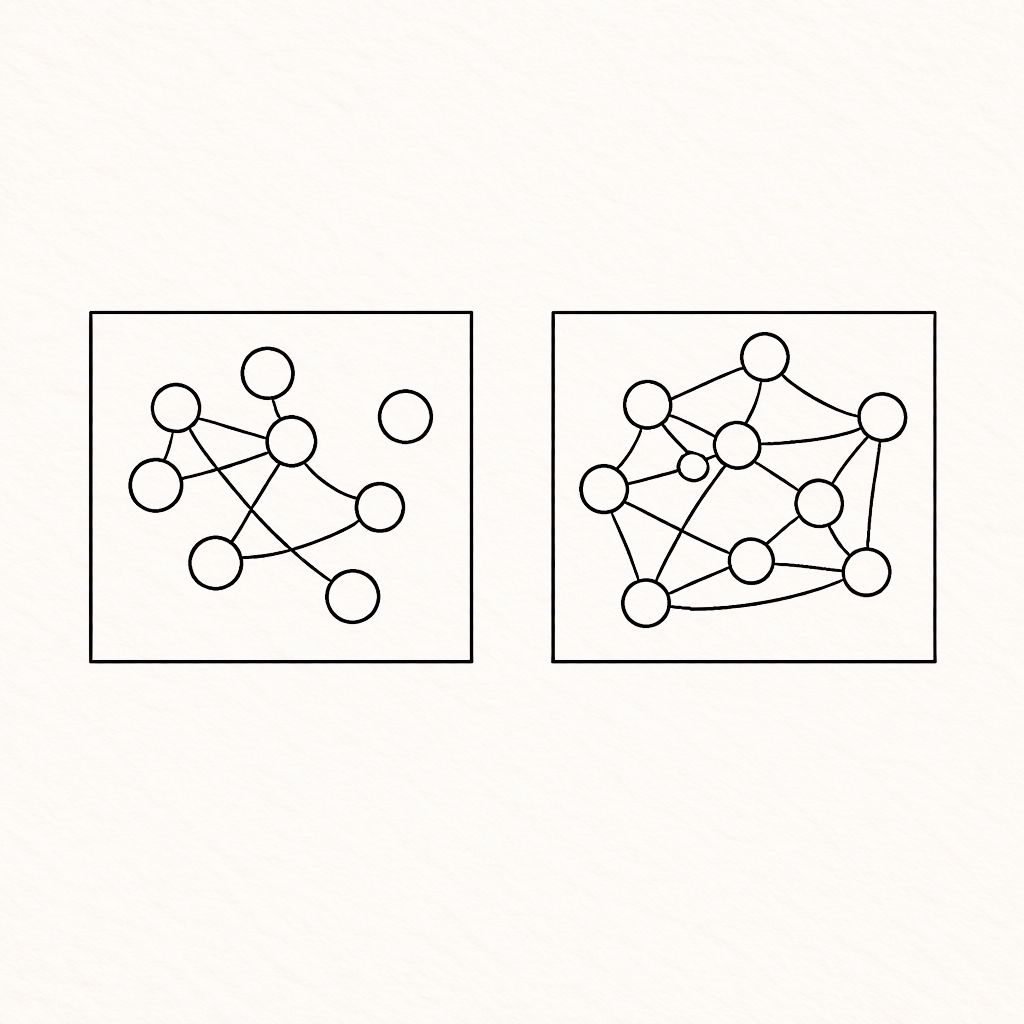
Signals That Structure May Be Needed
Common signals include:
- recurring conflict about responsibility
- unclear decision authority
- uneven contribution
- growing external expectations
These are structural signals, not personal failures.
Signals That Waiting Is Wiser
Waiting may be appropriate when:
- roles are still fluid
- the core offer is untested
- trust is still forming
- participation is exploratory
Structure too early can freeze learning.

Why People Rush This Decision
Projects often formalise early because:
- funders expect it
- partners require it
- legitimacy feels conditional
- comparison pressure sets in
External pressure is not always aligned with internal readiness.
Formation Creates Irreversibility
Once formed, structures are hard to undo.
Membership, governance rules, and legal obligations persist even if the project changes direction.
This makes timing consequential.

Formation as a Risk Decision
Formalising is not a moral milestone.
It is a risk decision.
It determines:
- who carries liability
- who is protected
- who can exit
- who is bound
Why Values Alone Are Not Enough
Strong values do not substitute for clear structure.
But unclear structure can undermine values.
The relationship runs both ways.
Viability Requires Fit, Not Speed
A viable organisation is not the fastest to incorporate.
It is the one whose structure fits its reality.
Fit protects people as much as purpose.
Delayed Formation Is Not Failure
Choosing to wait can be a strategic decision.
It can preserve flexibility while understanding deepens.
What matters is whether the delay is conscious or avoided.
The Cost of Avoidance
Avoiding formation after reliance emerges creates:
- unspoken obligation
- unclear accountability
- heightened personal risk
Delay without acknowledgement is different from deliberate timing.
What This Section Clarifies
There is no universally correct moment to formalise.
There is only the question:
Does the structure match the reality of the work?
What This Section Leaves You With
Values and viability are not reconciled through purity or speed.
They are reconciled through fit, timing, and honest assessment of reality.
Seeing this clearly changes how decisions are made, even before any structure is chosen.
Pathway Complete
You’ve reached the end of the Values vs Viability learning pathway.
You now have a clearer understanding of the tensions that arise when values meet real-world constraints, and why those tensions appear across purchasing, growth, governance, reliance, and formation.
What comes next depends on what you are building, the capacity you have right now, and which tensions feel most relevant to address next.