
Growth Logics


What This Section Is About
Growth is not just “getting bigger”.
It is a choice about how a cooperative expands, what it protects, and what it is willing to trade off.
Different models choose different growth logics.
Why This Matters
When people criticise co-ops at scale, they often talk as if there is only one option:
Either stay small and pure, or grow and become compromised
Real cooperative history is messier than that.

Three Growth Logics
Across cooperative systems, you often see three approaches:
- Global expansion
- Local protection with subsidiaries
- Local depth instead of global scale
All three can be viable.
All three create different ethical tensions
Logic 1: Global Expansion
Some cooperatives expand internationally to stay competitive, diversify, and survive in global markets.
Mondragón is a major example of this route, including overseas subsidiaries.

The Mondragón Tension
Mondragón has been criticised for operating overseas subsidiaries that are not cooperatives, and for using non-member labour outside its core region.
The point here is not “Mondragón bad”.
The point is: scale introduces real contradictions.
Why “Just Make Them Co-ops” Isn’t Simple
Mondragón has argued that turning foreign operations into co-ops is constrained by:
- local legal frameworks
- limited worker interest in some contexts
- practical barriers to converting subsidiaries
Even if you dislike these reasons, they show the problem is structural, not just moral.
The Hidden Cost: Education and Time
Building cooperative ownership abroad is not a switch you flip.
It can require:
- education
- trust-building
- cultural translation
- years of capacity development
That time and cost affects competitiveness.

So What Is the Real Question
The real question is not:
“Are overseas subsidiaries immoral?”
It’s:
“What structures would make overseas expansion both viable and cooperative over time?”
Logic 2: Local Protection With Subsidiaries
Another route is:
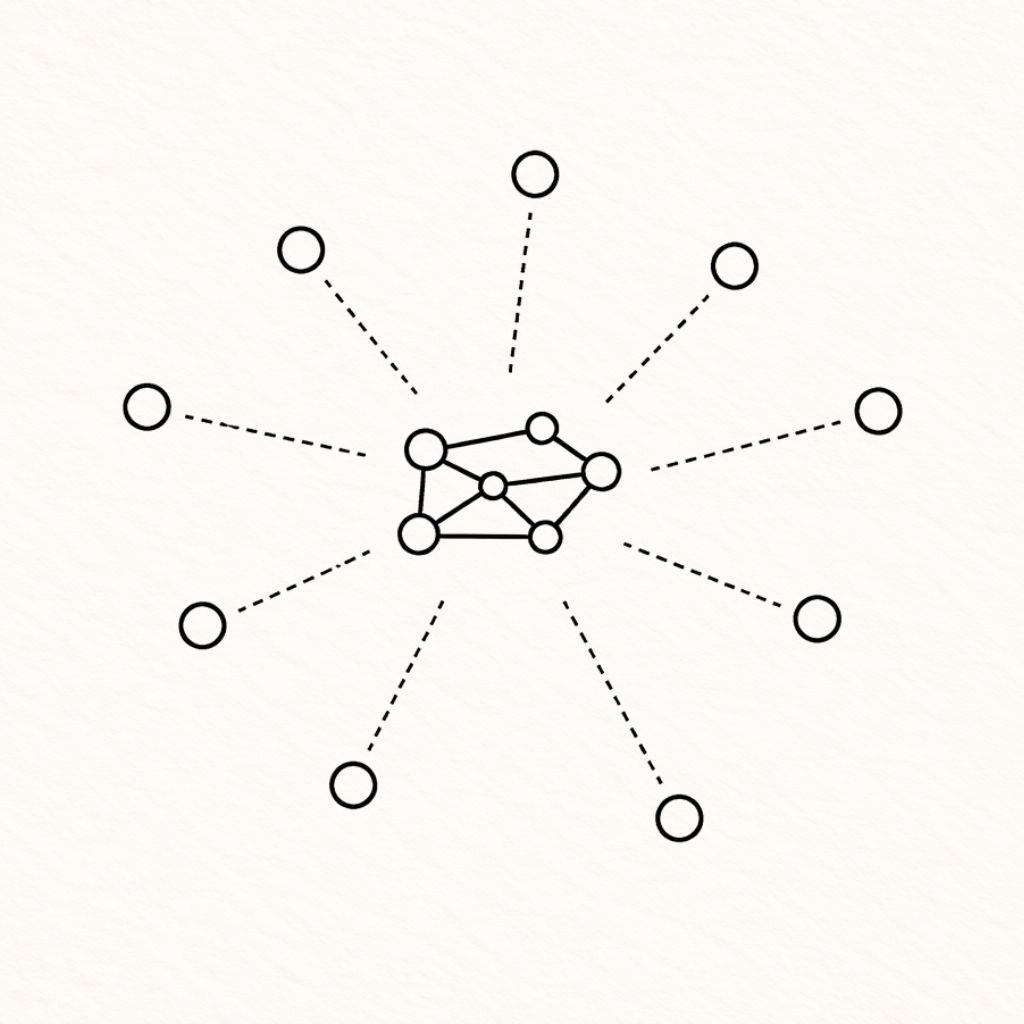
Keep cooperative membership and wealth strongly rooted in the home community,
while operating internationally through subsidiaries or joint-stock structures.
SACMI is often cited as a multinational cooperative parent company using this pattern.
What This Logic Protects
This growth logic tends to prioritise:
- preserving local membership benefits
- ringfencing reserves and control
- competing globally without restructuring every site as a co-op
It’s a defensible strategy.
It also narrows who the “community” is in practice.
The Ethical Tension Here
The tension is not hypocrisy.
It’s boundary-setting.
This approach can imply:
“Cooperative ethics apply fully inside the home membership zone,
and partially outside it.”
Some people accept that. Others don’t.

Logic 3: Local Depth Instead of Global Scale
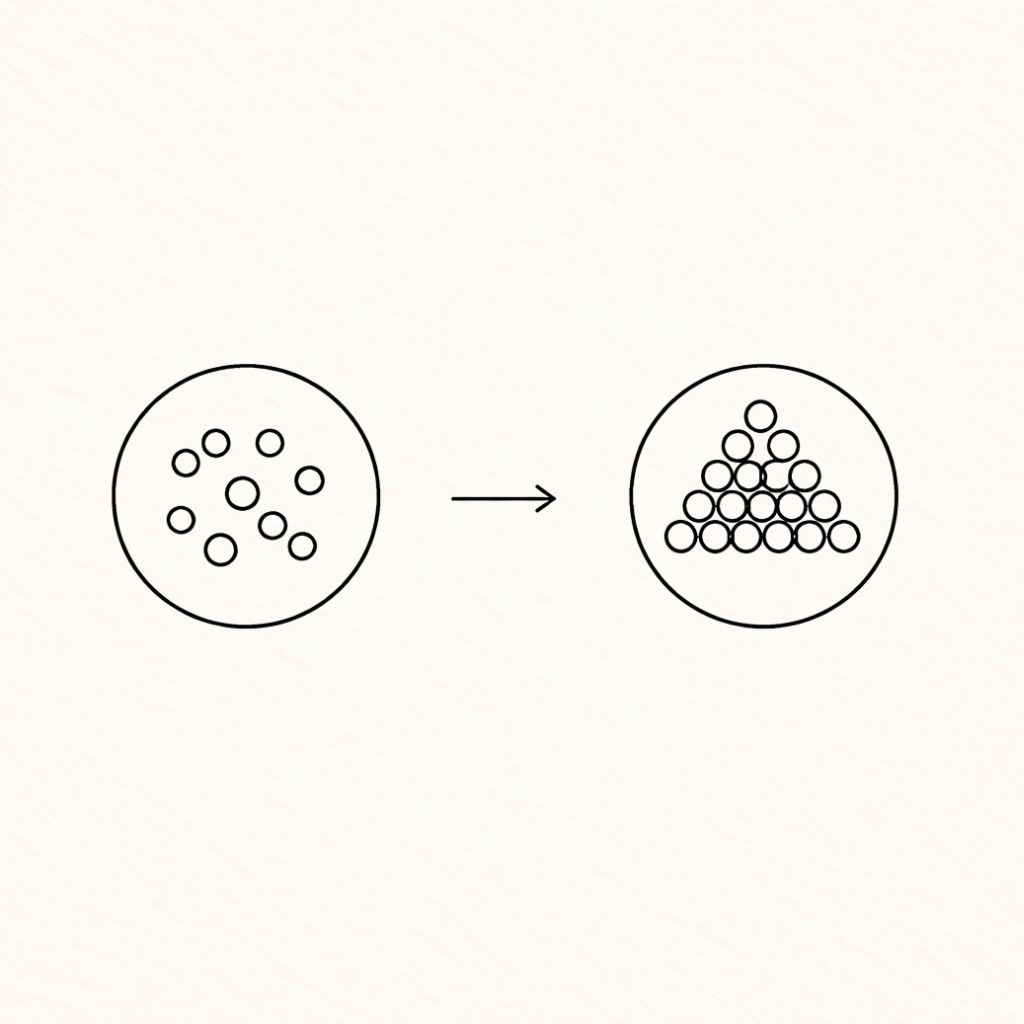
A third route is to remain locally focused and build depth:
- affordability
- mutual aid
- embedded community infrastructure
- culture sustained through participation
Cecosesola is widely described in these terms.
What This Logic Avoids
Staying locally focused can avoid:
- global wage arbitrage pressures
- complex cross-border governance
- dilution of culture through distance
But it also limits:
- reach
- replication
- and sometimes resilience through diversification
A Key Distinction
This is what often gets missed:
Scaling impact does not always mean scaling one organisation.
Sometimes it means:
- replication
- federation
- partnerships
- shared infrastructure
Different growth logics point toward different designs.

The Values vs Viability Insight
All three approaches can be viable.
The values question is not “grow or don’t grow”.
It’s:
Which trade-offs are being made, who carries the cost, and what is being protected?

What This Prepares You For
Once you see growth as “growth logics”, you can interrogate decisions cleanly:
- Are we expanding because it’s necessary or because it’s expected?
- Are we protecting a community or excluding others by default?
- Are we building co-ops, or managing subsidiaries indefinitely?
Why Governance Comes Next
Growth forces decisions about:
- who has voice
- who carries risk
- who benefits
- how control is protected or shared
That is governance, not ideology.