
Aligned Contribution: Rethinking Work in a Cooperative World

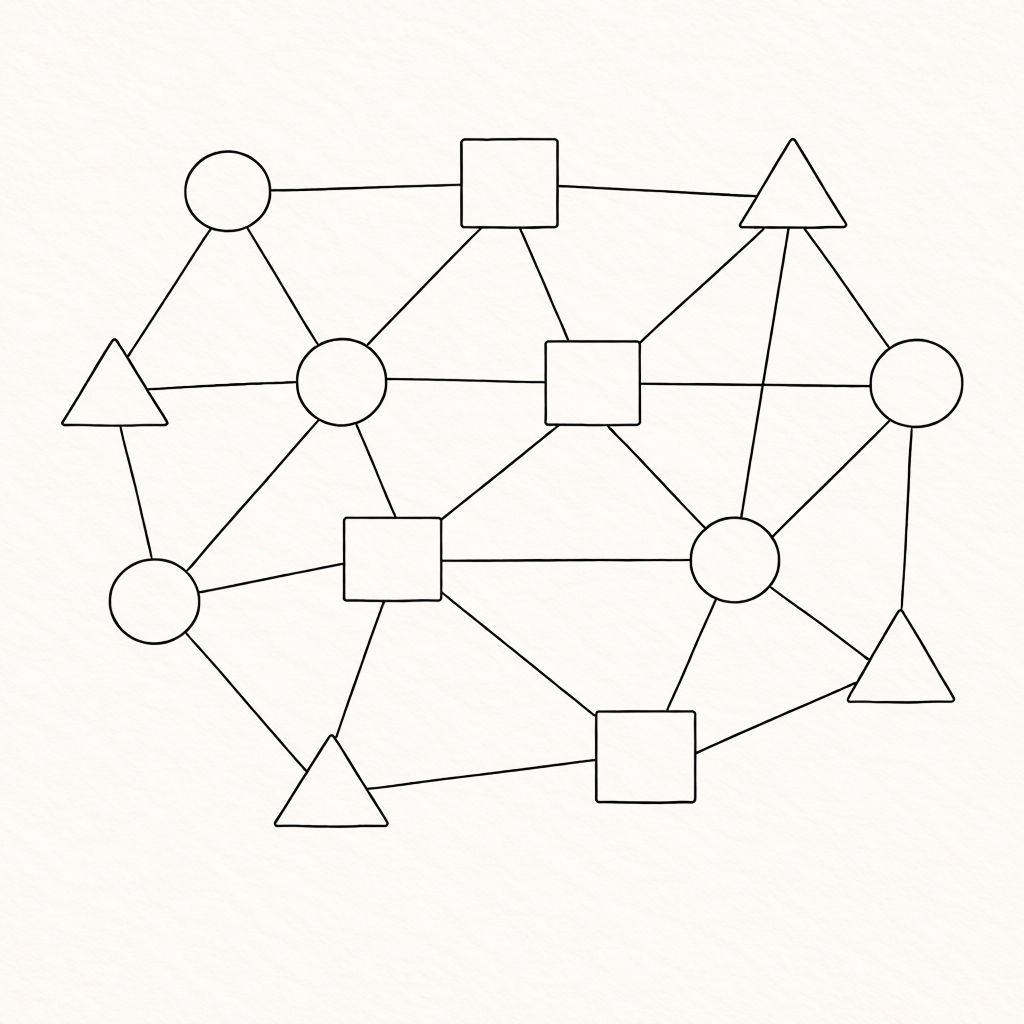
What This Carousel Explores
This carousel introduces the idea of aligned contribution.
It explains how cooperative systems approach work differently, focusing on fit, responsibility, and sustainability rather than time spent alone.

Cooperative Systems Measure Contribution Differently
Cooperative systems place greater emphasis on outcomes, shared goals, and responsibility.
What matters is whether the work supports the system, not how long someone appears to be working.
Contribution Depends on Alignment
People contribute best when their role aligns with their skills, temperament, and circumstances.
Misalignment creates friction, inefficiency, and burnout, even when intentions are good.

Not All Contribution Looks the Same
- Some people build.
- Some teach.
- Some coordinate.
- Some sustain systems quietly over time.
All of these forms of contribution are necessary.
None are inherently superior.
Competence and Trust
Aligned systems rely on competence and trust.
When people are trusted to deliver outcomes, work becomes less about supervision and more about responsibility.
From Time-Based Work to Outcome-Based Contribution
Cooperative systems are not organised around filling time.
They are organised around agreed responsibilities and outcomes.
How work is structured matters more than how long someone is visibly working.

Flexibility Is a Structural Feature
Flexibility allows people to organise work around energy, capacity, and life circumstances.
This may include varied schedules, focused periods of work, or quieter phases without constant output.
The emphasis remains on contribution, not constant availability.
One-Size-Fits-All Creates Friction
Movements struggle when everyone is expected to contribute in the same way.
Cooperative systems endure because they recognise different capacities and design roles accordingly.

Sustainability Is Structural
Sustainable systems recognise that not all valuable work happens at a constant pace.
Periods of intensity, maintenance, reflection, or rest are part of long-term contribution.
Paid and Unpaid Roles Can Coexist
Some contributions are voluntary.
Others require consistent time, responsibility, or specialist skill and may need to be financially supported.
Cooperative systems plan for both.

Contribution Without Comparison
When contribution is measured by time, people compete over effort and sacrifice.
When it is measured by outcomes and fit, comparison becomes less relevant and cooperation becomes easier.
Contribution Changes Over Time
People’s roles can shift as their lives change.
What matters is remaining aligned with what is possible and appropriate at each stage, not staying in one role forever.

How This Connects to the Roles Ahead
The roles explored in this pathway are different expressions of aligned contribution.
Each exists to support cooperative life in a specific and necessary way.